
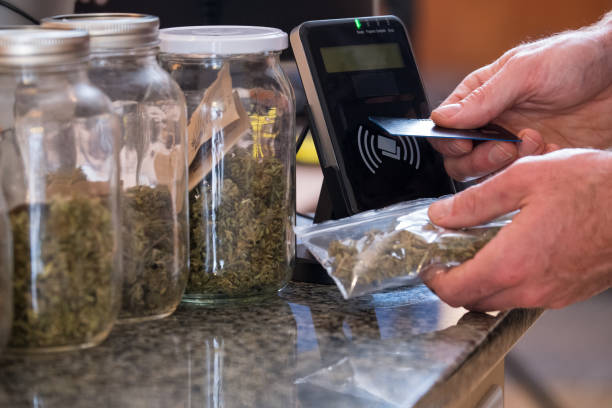
A dispensary is a regulated establishment where individuals can purchase cannabis products legally. These establishments vary greatly depending on local laws and regulations, but they are all designed to provide consumers with safe access to cannabis. Whether you are purchasing cannabis for medical or recreational purposes, understanding how dispensaries operate can help you make informed decisions.
Key Features of a Dispensary
- Licensing and Compliance
Dispensaries must adhere to strict laws and regulations regarding the sale of cannabis products. They require specific licenses issued by state or regional authorities and undergo regular audits to ensure compliance with health, safety, and legal standards. - Age Restrictions
Customers must be at least 21 years old for recreational purchases in most jurisdictions. For medical dispensaries, younger patients may access products if they have a valid medical marijuana card. - Trained Staff (Budtenders)
Employees, often referred to as “budtenders,” play a vital role in guiding customers through product selection. They are knowledgeable about various strains, consumption methods, dosages, and potential effects. - Secure Environment
Security measures like ID verification at entry points, surveillance systems, and secure storage for inventory are standard practices to ensure the safety of customers and staff.
Steps Involved in Visiting a Dispensary
- Check Local Laws
Before visiting a dispensary, familiarize yourself with your area’s cannabis regulations. This includes understanding possession limits and identifying whether you need specific documentation (e.g., a medical card). - Verify Identification
Upon arrival at the dispensary, your ID will be checked to confirm your age or eligibility. Some locations may also require pre-registration or appointments. - Consult with Budtenders
Once inside, you’ll have the opportunity to speak with budtenders about your needs or preferences. Whether you’re seeking pain relief or looking for recreational use products, their guidance can help narrow your options. - Product Selection
Dispensaries offer a wide range of products such as flowers (dried cannabis), concentrates (e.g., waxes or oils), edibles (like gummies or chocolates), tinctures, topicals, pre-rolls, and more. - Payment Options
Many dispensaries operate on a cash-only basis due to banking restrictions stemming from federal laws in some countries like the U.S. However, you may find options like debit-based payment systems or ATMs on-site at certain locations. - Exit Protocols
Packaging requirements vary by jurisdiction but often include child-resistant containers that comply with local transportation laws for controlled substances.
Types of Products Sold at Dispensaries
| Product Category | Description | Common Use Cases |
| Flower | Dried cannabis buds | Smoking or vaporizing |
| Edibles | Infused food items like gummies | Long-lasting effects; discreet use |
| Concentrates | Extracts such as waxes or oils | High potency; versatile applications |
| Tinctures | Liquid extracts consumed sublingually | Precise dosing; fast absorption |
| Topicals | Creams/lotions applied externally | Localized relief; non-intoxicating |
Why Visit a Dispensary?
- Access to lab-tested products ensures safety.
- Professional guidance minimizes risks associated with improper usage.
- Wide product variety caters to diverse preferences.
Understanding how dispensaries operate not only empowers consumers but also normalizes responsible cannabis use within society’s legal framework.
Exploring the Differences and Benefits of a Park Slope Weed Store
Understanding the distinctions between medical and recreational dispensaries is essential for consumers seeking the best experience tailored to their needs. While both types of establishments provide access to cannabis products, their purpose, regulations, and offerings differ significantly. Below is an in-depth exploration of how these dispensaries vary and the unique benefits they offer.
Key Differences Between Medical and Recreational Dispensaries
- Medical Dispensaries: Primarily cater to patients with qualifying medical conditions. These establishments focus on providing cannabis products specifically for therapeutic use.
- Recreational Dispensaries: Serve adults who wish to consume cannabis for personal enjoyment without needing a medical reason.
- Medical dispensaries often require a valid medical marijuana card issued by healthcare providers or state authorities.
- Recreational dispensaries are open to any adult over the legal age (typically 21 years), with no additional documentation required beyond government-issued identification.
- In medical dispensaries, products may be more potent or targeted toward specific conditions, such as chronic pain or anxiety relief. Many also stock CBD-dominant options that are non-intoxicating.
- Recreational dispensaries offer a broad range of products focusing on enjoyment, including edibles, concentrates, flowers, pre-rolls, and novelty items.
- Products sold in recreational dispensaries often come with higher taxes due to adult-use cannabis regulations.
- Medical patients may benefit from tax exemptions or reduced rates depending on local laws.
Benefits of Medical Dispensaries
- Access to highly trained staff who understand therapeutic cannabis use.
- Availability of specialized products like tinctures, capsules, or balms designed for consistent dosing.
- Personalized recommendations tailored to specific medical conditions.
- Reduced costs through lower taxes or patient discounts in many jurisdictions.
Benefits of Recreational Dispensaries
- Wider accessibility without requiring medical certification.
- Diverse product lines catering to varying preferences and experiences.
- An inviting atmosphere designed for casual consumers seeking exploration rather than treatment-specific guidance.
Comparison Table: Medical vs Recreational Dispensary Features
| Feature | Medical Dispensary | Recreational Dispensary |
| Eligibility Requirements | Requires medical marijuana card | Open to adults above legal age |
| Product Potency | Often higher potency or condition-specific | Varies widely; focuses on enjoyment |
| Tax Rates | Lower (or exempt) | Higher |
| Staff Training | Focused on therapeutic guidance | General knowledge about product types |
| Accessibility | Restricted based on health needs | Open-access |
Considerations When Choosing Between the Two
When deciding which type of dispensary suits your needs: – If you have a chronic condition that could benefit from cannabis treatment, obtaining a medical marijuana card may grant you access to cost-effective options specific to your health concerns. – On the other hand, if your interest lies in exploring different strains or simply enjoying recreational use with fewer restrictions, recreational dispensaries provide a more straightforward option.
By understanding these differences and benefits, individuals can make informed decisions when navigating the growing world of legalized cannabis access points.
Exploring the Differences and Benefits of a Park Slope Cannabis Shop
The cannabis industry has grown significantly in recent years, offering a range of options for consumers. Two key categories of cannabis retail establishments are medical dispensaries and recreational dispensaries. While both provide access to cannabis products, they serve distinct purposes and cater to different audiences. Understanding their differences and the benefits they offer is essential for making informed decisions.
Key Differences Between Medical and Recreational Dispensaries
- Medical Dispensaries:
- Serve patients with qualifying health conditions.
- Require a valid medical marijuana card or doctor’s recommendation.
- Focus on therapeutic uses of cannabis, often offering consultations with knowledgeable staff.
- Open to adults meeting the legal age requirement (typically 21+).
- Cater to individuals seeking cannabis for personal or recreational use.
- Do not require medical documentation.
- Product Offerings
While both types of dispensaries may carry similar product forms (e.g., flower, edibles, tinctures), there are some distinctions: - Medical dispensaries often stock products tailored for specific conditions, such as high-CBD strains or low-THC options.
- Recreational dispensaries tend to focus on high-THC strains and products that cater to general consumer preferences.
- Pricing and Taxation
Taxes and pricing structures differ between the two: - Medical cannabis may be exempt from certain taxes or offered at reduced rates.
- Recreational users typically pay higher taxes on purchases due to state-imposed excise taxes.
- Accessibility
Regulations regarding access also vary: - Medical dispensary access is limited to approved patients with valid identification.
- Recreational dispensaries are generally more accessible, requiring only proof of age.
Benefits of Medical Dispensaries
- Personalized Guidance: Staff in medical dispensaries are often trained to provide insights into how various products can address specific medical conditions like chronic pain, anxiety, or epilepsy.
- Tailored Products: Patients can find specialized formulations designed for therapeutic use, including non-intoxicating CBD options.
- Legal Protections: In some regions, medical patients have legal protections such as higher possession limits than recreational users.
Benefits of Recreational Dispensaries
- Wider Accessibility: These establishments allow anyone over the legal age access without needing a medical recommendation or card.
- Variety in Experiences: From potent THC-rich flowers to creative edibles, the focus on innovation leads to diverse product offerings.
- Tourism Appeal: Many recreational dispensaries attract visitors looking for a safe way to explore cannabis culture.
| Aspect | Medical Dispensary | Recreational Dispensary |
| Access Requirements | Doctor’s recommendation required | Legal ID proving age (21+) |
| Primary Purpose | Therapeutic use | Adult-use consumption |
| Taxation | Reduced taxes or exempt | Higher taxes |
| Product Focus | High-CBD/low-THC options | High-THC products |
Choosing Between Medical and Recreational
Selecting between a medical or recreational dispensary largely depends on individual needs. If you’re managing health conditions that qualify under local laws, a medical dispensary may provide targeted relief through specialized products. On the other hand, if your aim is recreational enjoyment or exploring new strains without restrictions like doctor approval, then recreational outlets could better suit your needs.
Understanding these differences empowers consumers to navigate the growing cannabis market effectively while ensuring compliance with legal requirements in their region.

Exploring the Future of Social Cannabis Use at a Park Slope Dispensary
Cannabis consumption lounges are emerging as a significant shift in the way people experience and enjoy cannabis. These lounges are designed to create a safe, social, and regulated environment for on-site consumption. As more regions legalize cannabis for recreational use, consumption lounges are becoming a focal point in discussions about public cannabis spaces.
What is a Cannabis Consumption Lounge?
A cannabis consumption lounge is a designated space where individuals can legally consume cannabis products in a social setting. Unlike dispensaries, which focus on selling products to be taken offsite, these lounges allow patrons to enjoy their purchases immediately within the premises. Inspired by the concept of bars or cafes that serve alcohol, they offer an atmosphere conducive to relaxation and community interaction.
Key features include:
– On-site Consumption: Patrons can consume cannabis via smoking, vaping, edibles, or other methods allowed by local regulations.
– Safe Environment: Lounges implement strict policies to ensure safety and responsible consumption.
– Social Setting: These spaces encourage connection and interaction among like-minded individuals.
The Evolution of Social Cannabis Use
The concept of social cannabis use isn’t entirely new. Amsterdam’s famed “coffeeshops” have long represented a model where cannabis can be consumed publicly in specific venues. However, with legalization spreading globally, modern consumption lounges are now focused on creating elevated experiences that cater not just to seasoned users but also to newcomers seeking guidance in an approachable setting.
Benefits of Cannabis Consumption Lounges
- They provide an alternative for individuals who cannot or do not want to consume at home due to personal or legal restrictions (e.g., those living in rental units or shared housing).
- Visitors can avoid consuming illegally in public places where it may still be prohibited.
- Many lounges employ knowledgeable staff who educate patrons about product options, responsible use practices, and dosage recommendations.
- This reduces the risks associated with overconsumption or misuse of unfamiliar products like edibles or concentrates.
- By integrating cannabis use into social settings akin to bars or cafes, these venues help destigmatize its consumption while promoting responsible use.
- Cannabis lounges contribute to tourism by attracting visitors looking for unique cultural experiences.
- They also create jobs and generate additional tax revenue for municipalities.
Challenges and Considerations
| Challenge | Explanation |
| Licensing & Compliance | Operators must navigate complex rules governing on-site consumption spaces. |
| Smoke-Free Laws | Many areas have existing laws restricting indoor smoking or vaping activities. |
| Ventilation Requirements | Proper systems must ensure air quality standards are met for patrons’ safety. |
| Social Responsibility | Managing overconsumption risk while fostering an inclusive environment is critical. |
The Future Outlook
As legislation evolves alongside changing societal attitudes toward cannabis use, the demand for well-regulated consumption lounges is expected to grow significantly in coming years. These venues offer opportunities not only for businesses but also for communities looking to integrate this emerging industry responsibly into their social fabric.
By prioritizing safety, education, and inclusivity within these spaces—cannabis consumption lounges may very well shape the future of how society approaches recreational marijuana use on both local and global scales.
Product Selection in Dispensaries: A Guide to Quality and Variety
When exploring a dispensary, the product selection can feel both exciting and overwhelming for consumers. Dispensaries often offer a curated range of cannabis products, designed to meet the diverse needs of customers, from first-time users to seasoned enthusiasts. Understanding product categories, quality markers, and variety can help make your selection process more informed and enjoyable.
Key Categories of Cannabis Products
- The most traditional form of cannabis consumption.
- Includes various strains categorized as indica, sativa, or hybrid based on their effects.
- Often sold by weight (eighths, quarters) with detailed THC and CBD content labeled.
- Potent extractions such as wax, shatter, or live resin.
- Ideal for experienced users seeking high THC levels or specific terpene profiles.
- Infused food and drink products like gummies, chocolates, teas, or baked goods.
- Precise dosing allows for controlled consumption experience but requires attention to onset time.
- Lotions, balms, or transdermal patches designed for localized relief without psychoactive effects.
- Conveniently rolled joints available in individual units or packs for easy use.
- Liquid cannabis extracts that can be ingested sublingually or added to food/beverages.
- Items such as vaporizers, grinders, rolling papers, or glassware designed to enhance the experience.
What Defines Quality in Cannabis Products?
- Appearance: High-quality flower should have vibrant colors (green hues with orange/red hairs) and minimal stems or seeds.
- Aroma: Fresh cannabis typically has a strong terpene profile—look for pleasant scents rather than musty or stale odors.
- Lab Testing: Reputable dispensaries provide lab results showing cannabinoid content (THC/CBD levels) and verifying that the product is free from contaminants like pesticides or mold.
- Packaging: Proper packaging ensures freshness while adhering to legal requirements (e.g., child-resistant containers).
Tips for Exploring Variety
- Ask staff—often called “budtenders”—for recommendations tailored to your preferences (e.g., desired effects like relaxation vs energy).
- Start low if you’re new—opt for lower THC concentrations initially before experimenting with stronger doses/products.
- Explore terpenes; these compounds influence flavor/aroma but also contribute significantly toward overall experiences.
| Product Type | Best For | Notes |
| Flower | Smoking/Vaping | Wide strain selection |
| Concentrates | Potent effects | Not recommended for beginners |
| Edibles | Long-lasting relief | Slow onset; dose carefully |
| Topicals | Targeted pain relief | No psychoactive properties |
By understanding how dispensary inventory is organized and what factors define quality in cannabis products, consumers can navigate their options with confidence while tailoring purchases toward personal preferences and goals efficiently.
- Exploring the Park Slope Marijuana Dispensary: Key Differences from CBD Stores and What They Offer
- A Comprehensive Guide to Running a Successful Park Slope Dispensary for Beginners and Experts
- How Does a Park Slope Cannabis Shop Operate?
- How Does a Park Slope Marijuana Dispensary Operate?
- Comparing Online Cannabis Shops and a Park Slope Marijuana Dispensary: Pros and Cons
- A Complete Guide to Cannabis Benefits at a Park Slope Dispensary
- How Does a Park Slope Marijuana Dispensary Work?