

A dispensary is a regulated establishment that sells cannabis products to consumers for medical or recreational purposes. These facilities operate under strict local and state laws to ensure safe and legal distribution of cannabis. Whether you’re new to the concept or a seasoned consumer, understanding how dispensaries work can help you have a smooth shopping experience.
The Role of a Dispensary
The primary purpose of a dispensary is to provide access to high-quality cannabis products in a controlled and professional environment. Dispensaries are staffed by knowledgeable individuals, often referred to as “budtenders,” who assist customers in selecting the right products based on their needs and preferences.
Dispensaries also play an important role in educating consumers about cannabis use, including dosing, strain selection, and consumption methods. Many establishments offer an educational component, such as printed materials or interactive consultations.
How Do Dispensaries Operate?
- Licensing and Regulation: Before opening, dispensaries must obtain the appropriate licenses from state authorities. These licenses dictate whether they can sell medical marijuana, recreational marijuana, or both.
- Compliance with Laws: Dispensaries must adhere to strict regulations regarding product testing, packaging, labeling, and security protocols.
- Age Verification: Customers are required to present valid identification upon entering a dispensary to prove they meet the minimum age requirements (21+ for recreational use in most states).
- Inventory Control: Products sold at dispensaries are carefully tracked from cultivation to sale using specialized software systems that ensure compliance with legal standards.
- Payment Methods: Due to federal banking restrictions on cannabis-related businesses in the U.S., many dispensaries operate as cash-only businesses or work with specialized payment solutions.
Types of Products Available
- Flower/Bud: Dried marijuana flower is one of the most common forms available for smoking or vaporizing.
- Concentrates: Extracts such as waxes, oils, shatter, and live resin provide higher potency options for experienced users.
- Edibles: Various food items infused with cannabis extracts—like gummies, chocolates, or beverages—allow for discreet consumption.
- Topicals: Creams and lotions infused with cannabinoids cater to those looking for localized relief without psychoactive effects.
- Tinctures/Sublinguals: Liquid extracts consumed orally or sublingually offer precise dosing options.
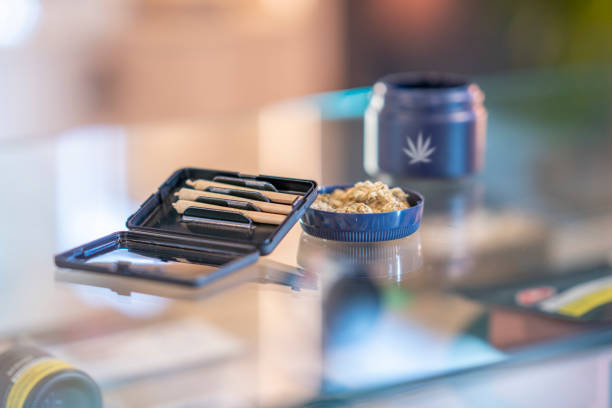
- Pre-Rolls: Ready-to-smoke joints made from pre-ground flower are convenient options for on-the-go use.
| Product Type | Description | Consumption Method |
| Flower | Dried cannabis plant material | Smoking/Vaping |
| Concentrates | Potent extracts like wax and oil | Dabbing/Vaping |
| Edibles | Infused food products | Oral ingestion |
| Topicals | Cannabis-infused creams/lotions | Applied on skin |
| Tinctures | Liquid extract | Oral/Sublingual |
What Sets Dispensaries Apart From Other Retail Locations?
- Cannabis dispensaries must verify customer identity before allowing entry.
- Many states require separate areas for product consultation (sales floor) and storage areas where inventory is kept secure.
- Budtenders receive specialized training in cannabis strains, terpenes (aromatic compounds), and product potency levels.
By offering professional guidance alongside curated product selections within legal frameworks, dispensaries provide consumers with safe access while reducing risks associated with unregulated markets.
Can You Visit a Park Slope Dispensary Without a Medical Card?
The ability to visit a dispensary without a medical card largely depends on the type of dispensary and the laws in your jurisdiction. The distinction between medical and recreational dispensaries plays a significant role in determining whether you need a medical card to gain access. Below, we’ll explore the factors that impact this and provide a clear understanding of when and where you can visit without a medical card.
Understanding Dispensary Types
- Medical Dispensaries
These are facilities that cater specifically to individuals who use cannabis for medicinal purposes. In most cases, access to these establishments requires: - A valid government-issued medical marijuana card.
- Proof of eligibility such as documentation from a healthcare provider certifying your need for medicinal cannabis.
- Recreational Dispensaries
These establishments serve anyone legally allowed to purchase cannabis for non-medical use under state or local law. Common requirements include: - Meeting the minimum age requirement (typically 21 years old).
- Presenting valid government-issued identification (e.g., driver’s license or passport).
The critical difference lies in state regulations, with some areas legalizing both types, while others may only allow medical usage.
States with Recreational Use Laws
| State | Year Recreational Use Legalized | Age Requirement |
| California | 2016 | 21+ |
| Colorado | 2012 | 21+ |
| Nevada | 2017 | 21+ |
| Oregon | 2014 | 21+ |
Laws in these areas make it accessible for adults to explore dispensaries freely.
What If Only Medical Cannabis Is Legal?
If you’re in a state that only allows medical marijuana, then visiting any dispensary will typically require possession of an approved medical card issued by the state where you reside. This process often involves an application, consultation with an approved doctor, and payment of applicable fees.
Exceptions and Special Circumstances
Some jurisdictions may offer specific allowances under certain conditions: – Temporary Visitor Programs: States like Oklahoma allow visitors with out-of-state medical cards to purchase from their licensed dispensaries during their stay. – Caregiver Access: In many instances, caregivers can act on behalf of patients with valid documentation if they themselves lack direct access.
Key Takeaways
- You can visit recreational dispensaries without a medical card in states where adult-use cannabis is legalized.
- Accessing only-medical dispensaries almost always requires proper certification or registration as required by local laws.
- It’s crucial to check your state’s regulations before attempting to visit any cannabis establishment.
Understanding local legislation ensures compliance while allowing you to make informed decisions when exploring available options at dispensaries near you.
Can You Visit a Dispensary Without a Medical Card?
The ability to visit a dispensary without a medical card depends on the type of dispensary and the legal framework in the state or country where you reside. Below, we’ll explore different scenarios and factors that determine whether you can access a dispensary without holding a medical marijuana card.
Understanding the Distinction Between Medical and Recreational Dispensaries
Dispensaries fall into two primary categories: medical and recreational. The distinction between these types is critical when determining if you can visit without a medical card.
- Designed specifically for patients who require cannabis for health-related purposes.
- Typically require individuals to present an approved medical marijuana card issued by healthcare providers or state authorities.
- Access is limited to registered patients who meet specific qualifying medical conditions, such as chronic pain, cancer, or epilepsy.
- These are open to any adult over the legal age (usually 21 in most U.S. states) without requiring a medical card.
- Offer cannabis products for personal enjoyment rather than solely for medicinal purposes.
- Visitors need valid government-issued identification proving their age.
States Where You Can Visit Without a Medical Card
In regions with legalized recreational cannabis, such as Colorado, California, Oregon, and Washington State in the United States, adults can purchase products from recreational dispensaries without needing any special documentation beyond proof of age. However, in states where only medical marijuana is legal (e.g., Texas or Alabama), a valid medical card is mandatory for entry and purchases.
| State/Country | Recreational Legal? | Medical Marijuana Only? | Medical Card Required? |
| California | Yes | No | No |
| Texas | No | Yes | Yes |
| Colorado | Yes | No | No |
| Florida | No | Yes | Yes |
Pros and Cons of Visiting Without a Medical Card
- Avoiding the cost and time required to apply for and renew a medical marijuana card.
- Accessing products for non-medical purposes legally if you meet age requirements.
- Limited access to certain high-potency products available exclusively at medical dispensaries.
- Paying higher taxes on cannabis purchases compared to reduced rates often offered at medical dispensaries.
Key Considerations Before Visiting
- Review Local Laws: Check whether your state or country allows recreational sales or requires authorization through a medical program. Laws vary widely across jurisdictions.
- Bring Valid ID: Ensure you carry proper identification proving your age if visiting recreational facilities; failure to provide this will result in being turned away at the door.
- Understand Restrictions: Be aware of purchase limits that may differ between recreational users and registered patients.
Whether or not you need a medical card ultimately hinges on your location’s regulatory framework. Always stay informed about local rules before planning your visit to ensure compliance with laws governing cannabis use.
Must-Have Items to Bring When Visiting a Park Slope Marijuana Dispensary
When visiting a dispensary, being prepared ensures a smooth and efficient experience. Whether you’re a first-time visitor or a regular patron, there are certain items you should have on hand to comply with regulations and make your visit more productive. Below is a breakdown of the essential items to bring when planning your trip to a dispensary.
1. Valid Government-Issued Identification
Most dispensaries will not allow entry without proper identification. Ensure that your ID isn’t expired or invalid, as this could prevent you from making a purchase.
2. Medical Marijuana Card (If Applicable)
- Verify that your card is up-to-date and matches the state where the dispensary is located.
- Some states also require additional documents such as doctor recommendations; keep these handy if needed.
For recreational dispensaries, this item may not apply.
3. Cash or Accepted Payment Methods
Many dispensaries operate on a cash-only basis due to federal banking restrictions affecting cannabis businesses. However, some may accept alternative payment methods such as debit cards or offer in-house ATMs for withdrawals (often with fees).
It’s wise to:
– Call ahead and confirm accepted payment methods at the location. – Bring enough cash for purchases and taxes (which can range between 5%-25% depending on local laws).
| Payment Method | Availability | Notes |
| Cash | Widely Accepted | Often preferred by most shops |
| Debit Cards | Limited Availability | May incur processing fees |
| Credit Cards | Rarely Accepted | Due to federal restrictions |
4. A Reusable Bag (If Required)
In many states, laws prohibit the use of standard plastic bags at cannabis retailers due to sustainability initiatives or local ordinances. Bringing along an odor-proof reusable bag is often encouraged as it allows you to transport products discreetly and responsibly.
5. A List of Questions or Desired Products
- Research product types such as flower strains, edibles, concentrates, tinctures, etc.
- Write down any questions about potency levels (THC/CBD), dosing recommendations, or usage methods.
- Consider bringing notes about specific symptoms/needs if shopping for medicinal purposes.
Staff at dispensaries—commonly referred to as budtenders—are knowledgeable and ready to guide customers but having specific questions prepared will ensure that all your concerns are addressed during your visit.
6. A Positive Attitude & Patience
- Expect potential wait times due to identification checks and high customer volume during peak hours.
- Engage respectfully with staff and other customers while adhering to store policies.
Visiting a dispensary involves adherence to legal protocols while also exploring products suited specifically for individual needs—both recreationally and medicinally alike—and preparation enhances this process significantly.

Legal and Payment Tips for Shopping at a Park Slope Weed Store
When planning a visit to a marijuana dispensary, understanding the legal and payment aspects involved is essential. Laws and regulations vary widely depending on the state or country, so being informed beforehand ensures a smoother experience. Below are key legal and financial considerations to keep in mind before making your purchase.
Legal Considerations
- Most states require you to be at least 21 years old to enter a recreational dispensary.
- For medical dispensaries, individuals as young as 18 may qualify if they possess a valid medical marijuana card.
- Some states have additional rules requiring proof of residency for purchasing cannabis products, especially for medicinal use.
- Out-of-state visitors may still shop at recreational dispensaries but should check regional guidelines to avoid any issues.
- In many jurisdictions, there are restrictions on how much cannabis you can buy during a single transaction or over a specific time period. | Product Type | Maximum Purchase Limit (Recreational) | Maximum Purchase Limit (Medical) | |———————–|—————————————|———————————–| | Flower | 1 ounce | 2-4 ounces | | Concentrates | 8 grams | Varies by state | | Edibles | 800 mg THC | Varies by state |
- Cannabis must be consumed in private residences unless local laws permit otherwise.
- Public consumption is generally prohibited and may result in fines or legal consequences.
- Transporting cannabis across state lines remains illegal under federal law, regardless of whether both states allow its use.
- If traveling within the same state, ensure your products are kept sealed and out of reach while driving.
Payment Options
Unlike many other retail industries, marijuana dispensaries face unique challenges due to federal banking restrictions in countries like the United States. These limitations affect how customers can pay for their purchases.
Cash Payments
- Cash is the most commonly accepted form of payment at dispensaries since banks often refuse transactions tied to cannabis sales.
- It’s advisable to withdraw cash beforehand; however, many locations have on-site ATMs for customer convenience.
Debit Cards
- Some dispensaries offer debit card processing through third-party systems, although this service isn’t universally available.
- Debit transactions might include small fees due to intermediary handling costs.
Digital Wallets & Apps
- Increasingly popular options like cryptocurrency or cannabis-specific payment apps may be supported in certain regions.
- Platforms such as “CanPay” allow users to link their bank account securely for seamless transactions where applicable.
Taxes & Fees
- Sales Tax Rates
Cannabis purchases often incur high tax rates depending on location: - Recreational products generally carry higher taxes than medical purchases.
- States may impose excise taxes alongside standard retail sales tax percentages.
- Medical Card Discounts
Possessing a valid medical marijuana card can reduce costs by exempting you from certain recreational taxes in some areas.
By familiarizing yourself with these legal frameworks and financial expectations, you’ll have greater confidence when shopping at dispensaries while staying compliant with relevant laws.
What Products Can You Expect to Find at Marijuana Dispensaries?
Marijuana dispensaries offer a wide range of products catering to both medical and recreational users. Whether you’re new to cannabis or a seasoned consumer, understanding the types of products available can help you make informed decisions. Below, we outline the most common products you’ll find at a marijuana dispensary.
Flower (Bud)
- Sativa: Known for its uplifting and energizing effects, often used during the day.
- Indica: Commonly used for relaxation and stress relief, ideal for nighttime use.
- Hybrid: A combination of sativa and indica, offering balanced effects depending on the strain’s dominant characteristics.
Flower is often sold by weight (grams, eighths, quarters) and can vary significantly in potency based on its THC and CBD content.
Pre-Rolls
Pre-rolls are pre-made joints that are ready to smoke immediately after purchase. They are an excellent option for beginners who may not know how to roll their own or for those seeking convenience. Dispensaries usually offer pre-rolls in various sizes and strains.
Concentrates
- Wax: A soft, crumbly texture that’s easy to handle.
- Shatter: A brittle extract with a glass-like consistency.
- Live Resin: Known for preserving terpenes to enhance flavor profiles.
- Oil Cartridges: Pre-filled vape cartridges compatible with vape pens.
Concentrates are popular among experienced users due to their potency but should be approached cautiously by beginners.
Edibles
- Gummies
- Chocolates
- Beverages (e.g., teas, sodas)
- Baked goods like brownies or cookies
Edibles can take longer to produce effects (30 minutes to 2 hours), so dosing carefully is important—especially for newcomers.
| Product Type | Typical Onset Time | Duration of Effects |
| Gummies | 30-90 minutes | 4-8 hours |
| Chocolates | 30-90 minutes | 4-8 hours |
| Beverages | 15-45 minutes | 3-6 hours |
Topicals
Topicals include lotions, balms, transdermal patches, and oils designed for localized application directly onto the skin. They are commonly used for pain relief or inflammation without producing psychoactive effects since they don’t enter the bloodstream in significant amounts.
Tinctures & Sublinguals
Tinctures are cannabis extracts dissolved in alcohol or oil that can be taken under the tongue (sublingually). This method allows quick absorption into the bloodstream while offering precise control over dosage—a great choice for medical patients or those who prefer discreet consumption.
Capsules & Pills
For users looking for a precise dosage without any additional flavors or smells associated with other methods of consumption, capsules offer a convenient solution. These typically contain THC/CBD oils encapsulated within gelatin shells.
Accessories & Other Offerings
- Grinders
- Storage containers
- Rolling papers
- Pipes/bongs
- Vape pens/batteries
In some regions where laws permit broader offerings, you might even find CBD-only products like pet treats or wellness items infused with hemp-derived CBD.
Understanding what’s available at your local dispensary ensures that you’re well-prepared when shopping—whether you’re seeking relaxation, pain relief, or recreational experiences tailored to your preferences.
A Beginner’s Comprehensive Guide to Visiting a Dispensary for the First Time
For those new to the world of cannabis, visiting a dispensary for the first time can feel overwhelming. With an assortment of products, legal considerations, and procedures to navigate, preparation is key. This guide will provide clarity on what you need to know before stepping into a dispensary.
Preparation Before Your Visit
- Check Local Laws: Cannabis laws vary by state or country. Familiarize yourself with local regulations regarding possession limits, purchase allowances, and age requirements.
- Bring Identification: Most dispensaries require a valid government-issued ID proving you are of legal age (typically 21+). If you are visiting a medical dispensary, bring your medical marijuana card.
- Set a Budget: Decide how much you’re willing to spend. Cannabis prices vary based on product type, potency, and quality.
- Understand Payment Options: Many dispensaries operate as cash-only businesses due to federal banking restrictions. Some may have ATMs on-site or accept debit cards.
What To Expect When You Arrive
- Upon arrival, you’ll often be greeted at the entrance by security or reception staff who will verify your ID.
- If it’s your first visit, expect to fill out some paperwork or register in their system.
- Once inside the sales floor, you’ll find various cannabis products displayed behind glass cases or on shelves.
- Most dispensaries employ knowledgeable staff members called “budtenders” who can guide you through product selection based on your preferences and needs.
- Budtenders may ask whether you’re seeking specific effects such as relaxation or energy boosts.
- They can explain differences between product categories like flower (bud), edibles, tinctures, concentrates, and topicals.
- Expect strict adherence to purchase limits set by local laws. For example: | Product Type | Maximum Purchase Limit* | |——————–|————————–| | Flower (Dried Bud) | 1 oz (28 grams) | | Edibles | 10 mg THC per serving; up to 100 mg per package | | Concentrates | 8 g |
*Limits vary depending on jurisdiction.
Tips for First-Time Shoppers
- Ask Questions: Don’t hesitate to engage with budtenders if you’re unsure about something. They’re there to help.
- Start Small: New consumers should begin with low-potency products until they become familiar with cannabis effects.
- Be Patient: The effects of edibles can take up to two hours; avoid overconsumption by waiting for results before taking more.
After Your Purchase
- Verify that all items are correctly listed on your receipt as per state requirements.
- Store cannabis securely in its original packaging while transporting it home.
- Consume responsibly in compliance with local regulations regarding public consumption and safe use.
Visiting a dispensary for the first time doesn’t need to be intimidating if you arrive informed and prepared. By understanding what to expect and asking questions when necessary, you’ll navigate this new experience confidently.
Are Marijuana Dispensaries Legal and How Do They Operate?
The legality and operation of marijuana dispensaries are complex topics that vary significantly based on location, local laws, and regulatory frameworks. In this section, we’ll explore the legal landscape surrounding dispensaries and how they function within these rules to serve customers responsibly.
The Legal Status of Marijuana Dispensaries
- Federal vs. State Laws:
In countries like the United States, marijuana remains illegal at the federal level but is legalized for medical or recreational use in several states. This creates a unique challenge for dispensary operators who must navigate conflicting regulations. - Medical vs. Recreational Use:
Some jurisdictions allow only medical dispensaries, where patients require a valid prescription or medical marijuana card to purchase products. Others permit recreational use, allowing adults of legal age to buy cannabis without additional qualifications. - Local Regulations:
Even in areas where state or national laws permit dispensaries, local governments often impose zoning restrictions, operational guidelines, or outright bans on cannabis businesses.
Key Operational Elements of Dispensaries
- Licensing Requirements:
All dispensaries must acquire proper licenses from relevant authorities before opening their doors. These licenses often involve rigorous background checks, financial disclosures, and proof of compliance with security standards. - Accurate tracking systems are essential to monitor inventory levels.
- Most jurisdictions require seed-to-sale tracking systems to ensure every cannabis product is accounted for from cultivation to sale.
- Employee Training:
Employees must undergo training on topics such as: - Local cannabis laws
- Product knowledge (e.g., strains, THC/CBD content)
- Proper customer service practices
- Security Measures:
Due to the high value of cannabis products and cash transactions at dispensaries, robust security measures are necessary: - Surveillance cameras
- On-site security personnel
- Restricted access areas for employees only
- Age Verification Procedures:
Dispensaries enforce strict age restrictions by requiring government-issued identification before customers can enter or make purchases.
Benefits of Legalizing Dispensaries
| Benefit | Description |
| Consumer Protection | Products sold at licensed dispensaries undergo testing for safety and quality assurance. |
| Tax Revenue | Governments collect significant tax revenue from legal cannabis sales. |
| Crime Reduction | Regulated markets reduce illegal drug trade activities in communities. |
| Access for Patients | Medical patients gain safe access to products tailored for their health needs. |
Challenges Facing Dispensary Operations
Despite their benefits, marijuana dispensaries face numerous challenges: – Ongoing stigma around cannabis use. – Limited banking options due to federal prohibitions in some countries. – High taxation rates that can discourage consumers from leaving black markets. – Constantly changing regulations requiring rapid adaptation by operators.
As legislation continues evolving globally, it’s essential for both consumers and business owners to stay informed about current laws governing cannabis sales in their region while advocating for clearer frameworks that promote responsible usage and commerce.
- Exploring the Park Slope Marijuana Dispensary: Key Differences from CBD Stores and What They Offer
- A Comprehensive Guide to Running a Successful Park Slope Dispensary for Beginners and Experts
- How Does a Park Slope Cannabis Shop Operate?
- How Does a Park Slope Marijuana Dispensary Operate?
- Comparing Online Cannabis Shops and a Park Slope Marijuana Dispensary: Pros and Cons
- A Complete Guide to Cannabis Benefits at a Park Slope Dispensary
- How Does a Park Slope Marijuana Dispensary Work?