
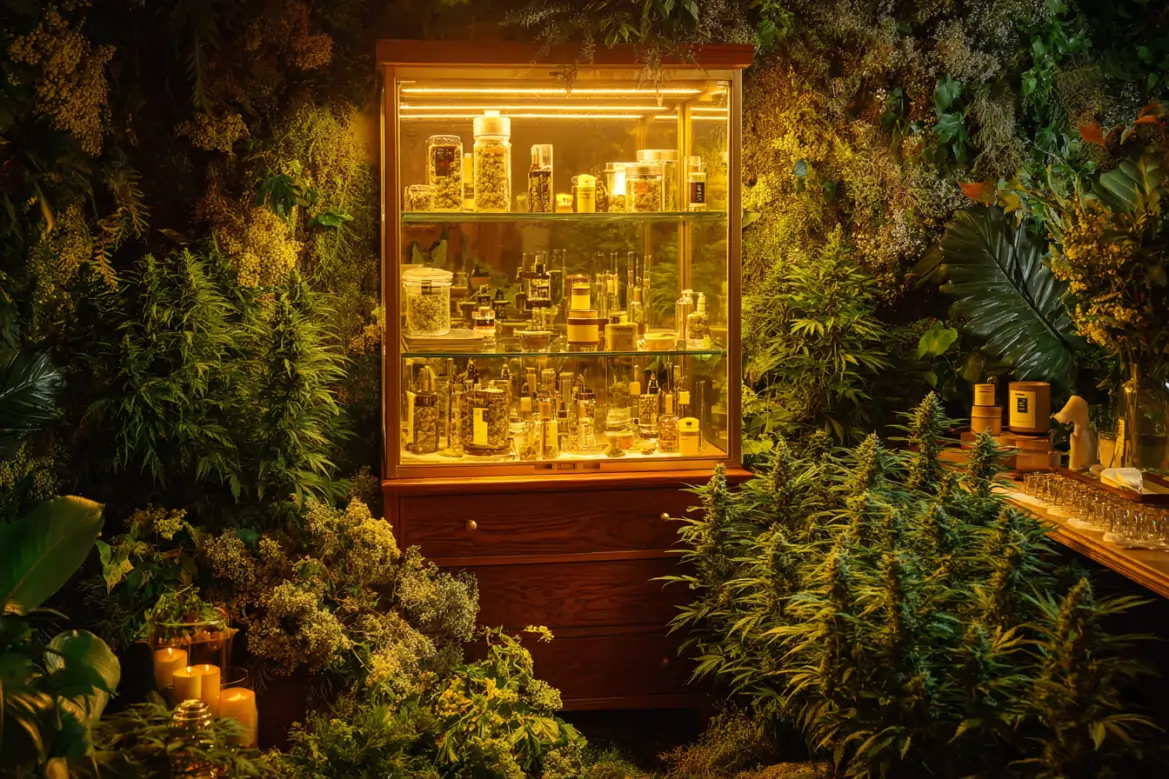
 The cannabis industry is rapidly expanding, providing consumers with various options for purchasing related products. Two commonly misunderstood terms are “CBD store” and “cannabis dispensary.” While they might sound similar, these establishments cater to different needs, offer unique product selections, and operate under distinct regulations. Here’s a breakdown of the key differences between CBD stores and cannabis dispensaries.
Focus and Product Offerings
CBD Store:
– Specializes in products derived from cannabidiol (CBD), a non-psychoactive compound found in hemp and cannabis plants.
– Typically offers CBD oils, tinctures, edibles, topicals, capsules, pet treats, beauty products, and beverages.
– Products are often marketed for general wellness benefits such as stress relief, pain management, improved sleep quality, or skin care.
– Usually sells items with little to no THC (tetrahydrocannabinol), remaining compliant with federal regulations in areas where cannabis is restricted.
Cannabis Dispensary:
– Sells a wide range of cannabis products containing both CBD and THC. THC is the psychoactive component responsible for producing a “high.”
– Offers flower (bud), pre-rolls (joints), concentrates (such as wax or shatter), edibles infused with THC or CBD, vape cartridges, tinctures, topicals, beverages infused with cannabinoids, and more. – Medical dispensaries provide cannabis specifically tailored for patients dealing with conditions like chronic pain or anxiety. Recreational dispensaries focus on adult-use customers who aren’t necessarily seeking therapeutic benefits but instead recreational enjoyment.
| Comparison Feature | CBD Store | Cannabis Dispensary |
| Primary Focus | CBD products focusing on wellness | Full-spectrum cannabis products including THC |
| Product Range | Oils, topicals, capsules | Flower, concentrates, edibles |
| THC Content | Minimal to none | Varies; includes high-THC options |
Legal Considerations
CBD stores operate under federal law if their products are derived from hemp containing less than 0.3% THC as per the Farm Bill of 2018 in the United States. Cannabis dispensaries are regulated at the state level since marijuana remains federally illegal in many jurisdictions.
Key compliance differences include:
1. Licensing Requirements: Dispensaries require stringent state licensing due to marijuana’s legal status; CBD shops have fewer barriers if operating within legal thresholds. 2. Age Restrictions: Most dispensaries enforce age restrictions (commonly 21+), while many CBD stores allow access to individuals of all ages unless local laws dictate otherwise. 3. Prescription Needs: Medical dispensaries may require patients to present valid medical marijuana cards issued by licensed healthcare providers.
Atmosphere and Experience
- A CBD shop often resembles a boutique retail store with neatly arranged shelves filled with wellness-oriented items that attract buyers looking for holistic health solutions.
- A cannabis dispensary, on the other hand:
- May have more security measures at the entrance due to regulatory requirements.
- Often provides knowledgeable staff referred to as “budtenders,” who offer detailed guidance about strains or products tailored toward specific needs.
Understanding whether you need the non-intoxicating benefits of hemp-derived CBD or full-spectrum cannabis experiences offered by dispensaries can help you make better purchasing decisions tailored specifically for your health goals or recreational preferences.
Essential Things You Need to Know Before Shopping at a Park Slope Dispensary
When visiting a cannabis dispensary for the first time, it can be both exciting and overwhelming. With so many products, regulations, and shopping experiences to navigate, it’s important to be prepared. Below, we outline essential information that every consumer should know before stepping into a dispensary.
Exploring the Essentials of a Park Slope Weed Store
Dispensaries are licensed establishments where individuals can purchase cannabis products for medical or recreational use (depending on local laws). They operate under strict legal and regulatory frameworks to ensure safety, compliance, and quality. Here are some key points to understand:
– Age Requirements: Recreational customers typically need to be at least 21 years old, while medical patients may qualify at a younger age depending on the state’s medical cannabis laws.
– Identification: Always bring a government-issued photo ID or medical marijuana card (if applicable). Without proper identification, you will not be allowed to enter or make a purchase.
– Local Laws Vary: The rules governing dispensaries differ by state and even by municipality. Be sure to research your local laws regarding purchasing limits, allowable products, and consumption rules.
What to Know Before Visiting a Park Slope Cannabis Shop
- If you’re seeking relaxation or pain relief, focus on indica strains or CBD-heavy options.
- For an energizing effect, consider sativa strains.
- Unsure? A hybrid may provide balanced effects tailored to your needs.
- Cannabis products vary significantly in price based on quality, potency, and type.
- Decide how much you’re willing to spend before browsing.
- Research Products: Here are some common categories of cannabis products available at most dispensaries: | Product Type | Examples | Use Case | |———————-|———————————–|————————————————————–| | Flower (Bud) | Indica/Sativa/Hybrid Strains | Traditional smoking or vaporizing | | Edibles | Gummies, Chocolates | Longer-lasting effects; good for discreet consumption | | Concentrates | Wax, Shatter | High potency; used with specialized equipment | | Topicals | Creams, Lotions | Localized relief; non-intoxicating | | Pre-Rolls | Ready-to-smoke joints | Convenient option for beginners |
- Ask Questions: Dispensary staff—known as budtenders—are there to help guide you through the process. Don’t hesitate to ask about product recommendations based on your goals or experience level.
Navigating Common Dispensary Etiquette
To ensure a smooth shopping experience while respecting others in the store:
– Avoid using phones inside as many stores discourage photography due to privacy concerns. – Be patient while waiting your turn; many dispensaries operate on a “one-on-one” service model. – Refrain from opening sealed packages until after your purchase is complete and you leave the premises.
Payment Options
Cannabis remains federally illegal in the United States despite being legalized in several states for medical and recreational purposes. Because of this discrepancy: – Most dispensaries operate as cash-only businesses. – Some may accept debit cards but rarely credit cards. – ATMs are often available onsite if needed.
By knowing what to expect before visiting a dispensary—whether it’s understanding regulations or researching products—you can ensure an informed shopping experience tailored specifically to your needs.
Exploring the Wide Variety of Cannabis Products Available at Dispensaries
Cannabis dispensaries like Park Slope Dispensary offer an extensive selection of products, catering to a variety of consumer needs and preferences. Unlike traditional retail establishments or CBD-specific shops, dispensaries often provide a broader spectrum of cannabis-based goods. Whether you’re a seasoned user or exploring cannabis for the first time, these establishments can offer something tailored to your specific goals. Below is an overview of the diverse product categories you can typically find at dispensaries.
Flower
Cannabis flower remains one of the most popular products available at dispensaries. It includes the dried and cured buds of the cannabis plant, which are typically smoked or vaporized.
- Strains: Most dispensaries offer indica, sativa, and hybrid strains catering to different effects such as relaxation or energy boosts.
- Potency: THC (tetrahydrocannabinol) levels vary widely to suit beginner and experienced users alike.
- Pre-rolls: For added convenience, many dispensaries sell pre-rolled joints in various strains.
Concentrates
Concentrates are highly potent cannabis extracts designed for those seeking stronger effects or specific benefits.
- Shatter
- Wax
- Live resin
- Rosin
- Consumption methods: Typically used with vape pens or dab rigs for precise dosing.
| Type | Potency Range | Common Use |
| Shatter | 70–90% THC | Dabbing |
| Live Resin | 60–80% THC | Flavorful dabs |
| Wax | 65–85% THC | Portable vaping |
Edibles
Edibles include food and beverages infused with cannabis. They’re ideal for those who prefer not to smoke but still want to experience the effects.
- Gummies
- Chocolates
- Baked goods (cookies, brownies)
- Drinks like teas or sodas
- Long-lasting effects
- Discreet consumption
- Important tip: Start with low doses (e.g., 5 mg THC) due to delayed onset times.
Topicals
Topical cannabis products are designed for localized relief without psychoactive effects. These are common among individuals seeking relief from muscle pain or inflammation.
- Creams and lotions
- Salves and balms
- Transdermal patches
- Best use cases: Arthritis pain, post-workout soreness, and skin conditions like eczema.
Tinctures & Oils
Tinctures are liquid extracts that can be taken sublingually (under the tongue) or added to food/beverages. They provide a fast way to feel the effects without inhalation.
- High-CBD tinctures for anxiety relief
- Balanced CBD/THC blends for mild euphoria
- Precise dosing via droppers
- Discreet usage
Capsules & Pills
For consumers who need consistent dosages without smoking or eating edibles, capsules provide an excellent alternative.
- Easy integration into daily routines
- Pre-measured doses
Accessories & Ancillary Products
- Vaporizers for flower/concentrates
- Rolling papers and grinders
- Storage containers designed to maintain product freshness
Dispensaries are your best option when it comes to accessing a wide variety of high-quality cannabis products under one roof. Understanding what’s available allows you to make informed decisions based on your consumption preferences and needs while exploring this ever-expanding market responsibly.
Exploring the Wide Variety of Cannabis Products Available at Dispensaries
Cannabis dispensaries have evolved into one-stop shops offering an extensive selection of products tailored to cater to different consumer needs. From recreational users seeking a specific experience to medical patients requiring targeted relief, dispensaries provide a range of options that extend beyond traditional cannabis flower. Understanding the breadth of products available can help consumers make informed decisions during their visit.
Categories of Cannabis Products
- Flower
– Description: The most traditional and widely recognized form of cannabis.
– Common Uses: Smoking or vaping for immediate effects.
– Varieties: Indica, sativa, hybrid strains; available in various potency levels (measured by THC or CBD content). - Concentrates
– Description: Highly potent extracts derived from cannabis flower, offering increased cannabinoid concentration.
– Common Types: Shatter, wax, budder, oils, and live resin.
– Consumption Methods: Dabbing, vaping with specialized devices, or adding to flower for an enhanced experience. - Edibles
– Description: Cannabis-infused food and beverages for those who prefer not to smoke or vape. – Examples: Gummies, chocolates, baked goods, sodas, teas. – Key Considerations: – Start low and go slow—edibles take longer to kick in (30 minutes to 2 hours). – Effects may last longer than smoking or vaping. - Topicals – Description: Cannabis-infused creams, balms, lotions designed for external use. – Purpose: Non-intoxicating products often used for localized pain relief or skin conditions. – Forms Available: – Pain-relief balms – Skincare serums
- Tinctures and Sublinguals – Description: Liquid cannabis extracts taken under the tongue or added to food/drinks. – Advantages: – Discreet consumption method. – Precise dosing through droppers. – Faster onset than edibles.
Comparison Table: Product Advantages and Use Cases
| Product Type | Benefits | Ideal For | Consumption Method |
| Flower | Immediate effects | Traditional users | Smoking/Vaping |
| Concentrates | High potency | Experienced consumers | Dabbing/Vaping |
| Edibles | Discreet and long-lasting | Non-smokers | Eating |
| Topicals | Non-intoxicating | Targeted pain relief | External application |
| Tinctures | Precise dosing | Medical patients/new consumers | Sublingual/Oral |
Specialty Items Offered by Dispensaries
- Pre-rolls – Pre-made joints save time and are convenient for beginners not familiar with rolling techniques.
- Beverages – Infused drinks allow users to replace alcohol with THC/CBD-based alternatives in social settings.
- Capsules/Tablets – Great for consistent dosing without taste concerns.
Factors Influencing Product Choice
When selecting products at a dispensary: 1. Assess your goals (e.g., relaxation vs energy boost). 2. Consider your preferred consumption method (smoking vs edibles). 3. Know your tolerance level—potency varies widely across product types.
Dispensaries accommodate a wide range of preferences through their extensive product offerings while allowing customers to explore cannabis in safe and legal environments tailored to individual needs.
Ensuring Product Safety at Dispensaries: What Every Consumer Should Know
When purchasing cannabis products, ensuring their safety and quality should be a top priority for every consumer. Dispensaries play a critical role in providing safe and regulated products, but as a buyer, it is equally important to understand the measures in place and how to make informed decisions.
Understanding Product Testing Standards
- Potency Levels: THC (tetrahydrocannabinol) and CBD (cannabidiol) levels are measured to ensure accurate labeling.
- Pesticide Residue: Products are tested for harmful chemicals that could pose health risks.
- Microbial Contaminants: Labs check for mold, bacteria, or other pathogens that could affect product safety.
- Heavy Metals: Testing ensures there are no harmful levels of metals like cadmium or lead.
- Residual Solvents: For concentrates or extracts, labs assess whether any solvents used during processing remain in unsafe quantities.
Always ask a dispensary for access to certificates of analysis (COAs), which provide lab results for the specific batch you’re purchasing.
Importance of Proper Storage and Handling
- Temperature Control: Edibles and concentrates often require refrigeration or temperature-specific environments to prevent spoilage or degradation.
- Humidity Regulation: Dried flower needs specific humidity levels (around 55–62%) to avoid mold growth while maintaining freshness.
- Sealed Packaging: Products should arrive in child-resistant, tamper-proof packaging with clear labeling.
When shopping at a dispensary, inspect packaging closely. Avoid purchasing items with damaged seals or unclear expiration dates.
Transparent Labeling Requirements
| Label Information | Why It Matters |
| THC/CBD Content | Helps you understand potency levels |
| Batch Number | Links the product to its lab test results |
| Ingredients | Crucial for those with dietary restrictions |
| Expiration Date | Indicates freshness and usability |
Questions Consumers Should Ask
- Are all products tested by an independent lab?
- Can I see a copy of the COA for this item?
- How should I store this product at home?
- Are there any added ingredients I should be aware of?
Why Choosing Licensed Dispensaries Matters
Only licensed dispensaries meet strict regulatory requirements designed to protect consumers’ health and safety. Unlicensed vendors may sell untested or contaminated products that pose serious risks. Licensed facilities operate under local laws that govern everything from seed-to-sale tracking systems to employee training programs on safe handling procedures.
By prioritizing licensed dispensaries with proven compliance protocols, consumers can feel confident about their purchases while supporting businesses dedicated to quality standards in the cannabis industry.
How to Choose Between a CBD Shop, Smoke Shop, and a Cannabis Dispensary for Your Needs
When it comes to purchasing cannabis-related products, you may encounter three main types of establishments: CBD shops, smoke shops, and cannabis dispensaries. Each serves different purposes, and understanding their distinctions can help you make an informed decision based on your needs. Below, we explore the key characteristics of these establishments to help guide your choice.
Overview of Each Type
| Shop Type | Primary Focus | Product Examples | Regulations |
| CBD Shop | Specializes in cannabidiol (CBD) products derived from hemp or cannabis | Oils, tinctures, edibles, topicals | Often follows federal guidelines for hemp (<0.3% THC) |
| Smoke Shop | Primarily sells smoking accessories and tobacco-related products | Pipes, rolling papers, vaporizers | Typically less regulated than cannabis dispensaries |
| Cannabis Dispensary | Offers a wide range of cannabis products with varying levels of THC and CBD | Flower, concentrates, edibles, pre-rolls | Strictly regulated by state-specific cannabis laws |
Factors to Consider When Choosing
- If you’re seeking non-intoxicating CBD items for wellness purposes such as pain relief or anxiety management:
- A CBD shop may be sufficient.
- For recreational or medicinal cannabis with THC content:
- A licensed dispensary is the best option.
- A smoke shop will meet your needs.
- Cannabis dispensaries operate under rigorous state regulations. Their products are tested for quality and safety.
- CBD shops are governed by federal laws concerning hemp-derived products but may lack the same level of oversight as dispensaries.
- Smoke shops are typically not subject to strict regulatory standards since they focus on accessories rather than consumables.
- Dispensaries provide the most diverse selection of cannabis-derived items:
- High-THC flower
- Balanced-ratio tinctures
- Edible options such as gummies or chocolates
- CBD shops often have a smaller scope focused solely on low-THC items:
- Broad-spectrum and full-spectrum oils
- Topical creams
- CBD-infused beverages
- Smoke shops emphasize tools rather than consumable goods.
- Purpose of Visit Questions to ask yourself before choosing where to shop include:
- Are you searching for therapeutic relief without intoxication?
Opt for a CBD shop or dispensary depending on whether you need low-THC or high-THC solutions. - Are you purchasing smoking hardware such as bongs or grinders?
A smoke shop is likely your best bet. - Do you need access to lab-tested cannabis products approved by regulatory bodies?
Visit a licensed dispensary.
Tips for Making the Right Choice
- Research local laws: Ensure that both the shop type and the product you’re considering align with legal requirements in your area.
- Verify product quality: Look for third-party lab reports at both dispensaries and CBD stores to confirm purity and potency levels.
- Understand labeling: Dispensaries often provide detailed labeling regarding THC/CBD ratios; this is crucial if you require specific dosages for medicinal purposes.
- Ask questions: Whether at a smoke shop or dispensary, staff should be knowledgeable about their offerings.
By carefully evaluating your personal preferences alongside the unique features of each establishment type, you’ll be better equipped to choose an option that aligns with your lifestyle and goals while ensuring compliance with applicable regulations.
The Importance of Legal Compliance in Cannabis Dispensaries and Why It Matters
Legal compliance is a cornerstone of the cannabis industry, ensuring that both businesses and consumers operate within established regulations. For dispensaries, adhering to legal standards is essential not only to maintain their operations but also to foster trust among consumers. Below are key reasons why legal compliance matters and what it entails.
Ensuring Consumer Safety
Dispensaries that comply with local and state laws prioritize consumer safety. These laws often mandate product testing for contaminants such as pesticides, heavy metals, mold, and residual solvents. Compliance ensures that products meet strict safety standards before being sold.
- Required Testing: Licensed dispensaries must ensure all cannabis products undergo rigorous third-party lab testing.
- Accurate Labeling: Products must display clear labels featuring THC/CBD levels, dosage instructions, and potential allergens.
- Child-Resistant Packaging: Packaging regulations are designed to prevent accidental consumption by children.
Preventing Unauthorized Sales
Legal compliance helps prevent illegal activities such as underage sales or the distribution of unregulated cannabis products. By verifying customer age through government-issued identification, dispensaries avoid selling cannabis to minors.
| Requirement | Purpose |
| ID Verification | Ensures customers meet the legal age limit |
| Purchase Limits | Regulates the amount purchased per transaction |
| Restricted Hours | Prevents sales during unauthorized times |
Building Consumer Trust
Adhering to regulations enhances credibility among customers who expect consistency in quality and legality when purchasing products from dispensaries. Transparent practices not only attract new customers but also build long-term loyalty.
Key factors contributing to trust include:
– Compliance with zoning restrictions (e.g., distance from schools or parks).
– Transparent pricing without hidden fees or illegal markups.
– Clear communication about product sourcing and production methods.
Avoiding Fines and Business Closure
Operating outside the bounds of legal compliance can result in severe penalties, including hefty fines or even permanent closure. This underscores the importance of staying up-to-date with changing legislation at both state and local levels.
Common consequences for non-compliance:
1. License suspension or revocation. 2. Financial penalties that can jeopardize business operations. 3. Damage to reputation within the community.
Promoting Industry Growth
When dispensaries comply with laws, it helps normalize cannabis as a legitimate industry while paving the way for further legislative improvements. A regulated market encourages innovation while ensuring consumer protection remains a top priority.
By prioritizing compliance at every level—from cultivation to sale—dispensaries contribute not just to their own success but also to the broader acceptance of cannabis as a safe and regulated commodity.
- Exploring the Park Slope Marijuana Dispensary: Key Differences from CBD Stores and What They Offer
- A Comprehensive Guide to Running a Successful Park Slope Dispensary for Beginners and Experts
- How Does a Park Slope Cannabis Shop Operate?
- How Does a Park Slope Marijuana Dispensary Operate?
- Comparing Online Cannabis Shops and a Park Slope Marijuana Dispensary: Pros and Cons
- A Complete Guide to Cannabis Benefits at a Park Slope Dispensary
- How Does a Park Slope Marijuana Dispensary Work?