A Comprehensive Guide to Running a Successful Park Slope Dispensary for Beginners and Experts

Marijuana cannabis: In glass jar bought from a legal dispensary retail, store Marijuana cannabis: In glass jar bought from a legal dispensary retail, store on bamboo mat. Marijuana Dispensaries stock pictures, royalty-free photos & images

Running a successful cannabis dispensary requires careful planning, adherence to legal guidelines, and the implementation of sound business practices. Whether you’re a beginner just entering the industry or an experienced operator, there are several key elements to focus on for long-term growth and profitability.

Understand Your Market and Customers

Before opening your doors or expanding your operations, it’s vital to understand your target market. A deep understanding of customer demographics, preferences, and spending habits can help shape every decision you make.

  • Recreational users seeking high-quality products.
  • Medical patients looking for specific strains or CBD-focused options.
  • Wellness enthusiasts exploring cannabis-infused products like edibles or topicals.
  • Stock a diverse product catalog (flowers, pre-rolls, concentrates, edibles).
  • Include premium options as well as affordable alternatives to cater to different budgets.
  • Monitor purchasing trends and adjust inventory accordingly.

Create an Inviting Customer Experience

The atmosphere in your dispensary plays a significant role in customer retention. Design the space with care to offer an inviting experience that encourages repeat visits.

  • Use clean layouts with clear signage for easy navigation.
  • Incorporate natural lighting or warm tones for a welcoming ambiance.
  • Hire knowledgeable staff who can educate customers on products confidently.
  • Offer personalized consultations to medical patients needing specific recommendations.

Stay Compliant With Regulations

Operating in the cannabis industry comes with strict legal guidelines that vary between jurisdictions. Compliance is not optional—it is essential for success.

Compliance Area Key Considerations
Licensing Obtain proper state/local permits before launch
Product Testing Ensure all products meet required safety standards
Security Requirements Implement cameras, locking systems, and limited access zones
Record-Keeping Maintain accurate transaction records as required by law

Failing to follow regulations could lead to fines, license revocation, or even closure of operations.

Focus on Branding and Marketing

Building a recognizable brand is critical in this competitive industry where many dispensaries may offer similar products.

  • Highlight unique aspects of your business—whether it’s sustainability practices or exclusive partnerships with growers.
  • Develop consistent branding across packaging, signage, and marketing materials.
  • Digital Marketing Essentials: Utilize these channels effectively:
  • Social media platforms (Instagram strategies are particularly effective).
  • Local SEO optimization so nearby customers can find you easily online.
  • Email newsletters featuring promotions or new product arrivals.

A successful cannabis dispensary balances excellent customer service with operational efficiency while maintaining strict compliance with legal requirements at every step of the process. Combining these efforts ensures both short-term profitability and long-term sustainability within this rapidly growing industry.

How to Boost Sales at Your Park Slope Marijuana Dispensary with Effective Marketing Strategies

Marketing a cannabis dispensary requires a mix of creativity, compliance, and adaptability. To effectively increase sales and build a loyal customer base, dispensary owners must employ targeted strategies that connect with their audience while adhering to local regulations. Below are actionable marketing strategies that can help boost your cannabis dispensary’s sales.

Develop a Strong Online Presence

  • Create an optimized website: Ensure your website is mobile-friendly, user-friendly, and contains important information like your menu, pricing, operating hours, location, and services offered.
  • Invest in SEO: Use search engine optimization (SEO) techniques to improve your visibility on search engines for keywords such as “cannabis dispensary near me” or “best cannabis products.”
  • Leverage social media platforms effectively: Post engaging content on platforms like Instagram and Twitter while ensuring compliance with advertising restrictions regarding cannabis products.

Email Marketing Campaigns

  • Share updates about new product arrivals or special promotions.
  • Provide educational content such as usage guides or information about strains.
  • Offer exclusive deals or discounts to incentivize repeat purchases.

Partner with Local Businesses

  • Partner with yoga studios or wellness spaces for events promoting both cannabis products and holistic health.
  • Create joint promotions with local cafes or food trucks that align with the lifestyle of your clientele.

Loyalty Programs and Rewards Systems

  1. Reward points for every purchase made at the dispensary.
  2. Offer tiered rewards (e.g., discounts or free products after reaching spending milestones).
  3. Provide incentives for referrals by existing customers.
Loyalty Program Ideas Benefits
Points-based rewards Encourages frequent purchases
Birthday discounts Personalizes the customer experience
Referral bonuses Attracts new customers through word-of-mouth

Host Educational Events

  • Organize workshops about product benefits, strain differences, or safe consumption methods.
  • Invite industry experts to speak at events within your community space.

Utilize Paid Advertising Strategically

  • Programmatic advertising: Platforms like Mantis allow targeted ads specific to the cannabis industry.
  • Google My Business Listing Ads: Maximize local visibility by optimizing your Google My Business profile.

Build Strong Relationships With Customers

  1. Train staff to deliver personalized recommendations based on customer needs.
  2. Gather feedback through surveys and use it to improve operations.
  3. Regularly engage customers via social media polls or Q&A sessions.

By implementing these modern marketing strategies combined with excellent customer service practices, you can effectively grow revenue while fostering stronger community connections for your dispensary business.

Top Marketing Strategies for Your Park Slope Weed Store

Effective marketing is an essential component of running a successful cannabis dispensary. With increasing competition in the cannabis industry, businesses must adopt innovative and well-planned strategies to stand out. Below are some key approaches to enhance your dispensary’s visibility and drive sales.

1. Build a Strong Online Presence

In today’s digital age, having a robust online presence is crucial for any business, including cannabis dispensaries.

Key steps to take:
Develop a professional website: Ensure your website is user-friendly, mobile-responsive, and optimized for search engines (SEO). Include essential information such as product menus, store hours, and contact details.
Invest in SEO: Use keywords relevant to your location and products (e.g., “best dispensary in [city]”) to rank higher on search engines.
Leverage social media platforms: Platforms like Instagram and Facebook can help showcase your brand personality while engaging with your customers through educational posts, promotions, or behind-the-scenes content. Always follow advertising restrictions regarding cannabis on these platforms.

2. Utilize Email Marketing Campaigns

Email marketing is an effective way to keep your customers informed about new products, discounts, or special events.

Tips for success:
– Create segmented email lists based on customer preferences or purchase history for personalized messaging.
– Use attention-grabbing subject lines to improve open rates. – Share exclusive offers or loyalty rewards through email campaigns.

3. Focus on Local Marketing Efforts

Since many cannabis sales are local, targeting customers within your area should be a priority.

Local marketing tactics include:
– Listing your dispensary on local directories and Google My Business. – Partnering with neighboring businesses for cross-promotions. – Sponsoring community events or hosting educational workshops about cannabis-related topics.

4. Leverage Loyalty Programs and Discounts

Loyalty programs are an excellent way to retain existing customers while encouraging repeat visits.

Ideas for loyalty incentives:
| Loyalty Program Type | Description | Example Benefit |
|—————————|——————————————|————————————|
| Points-based system | Earn points per dollar spent | $10 off after earning 100 points |
| Referral program | Reward current customers for referrals | Free pre-roll for every referral | | VIP memberships | Exclusive perks for top-tier members | Early access to new products |

Regular promotions such as discounts during holidays (e.g., 4/20 sales) can also attract new shoppers while incentivizing regular patrons.

5. Invest in Content Marketing

Educating customers enhances trust and positions your brand as an authority in the industry.

Types of content you can create: – Blog articles: Topics like “Cannabis Strains Explained” or “How to Choose the Right Product.” – Videos: Tutorials on using certain products or interviews with staff experts. – Infographics: Easy-to-digest visuals explaining trends like CBD benefits or consumption methods.

6. Incorporate Targeted Advertising

Examples of compliant ad strategies include: – Advertising through specialized cannabis platforms like Weedmaps or Leafly. – Geo-targeted mobile ads that reach consumers within specific locations. – Print ads in local publications catering to adult audiences.

Final Thoughts

An effective marketing strategy combines both digital innovation and traditional outreach efforts tailored specifically toward customer needs and preferences—especially given the unique challenges of advertising within the regulated cannabis market space. By implementing comprehensive techniques like those above, dispensaries can build stronger customer relationships while steadily increasing revenue over time.

Building a Top-Notch Team at Your Park Slope Cannabis Shop for Success

The success of a cannabis dispensary heavily depends on the quality of its staff. Hiring the right employees and equipping them with proper training ensures not only smooth operations but also an exceptional customer experience. Below are actionable strategies for hiring and training top-tier talent to cultivate a thriving dispensary team.

Identifying the Right Candidates

  • Customer Service Skills: Employees should be approachable, professional, and capable of building rapport with customers.
  • Knowledge of Cannabis Products: While prior knowledge is ideal, candidates should at least demonstrate a willingness to learn about strains, effects, consumption methods, and compliance.
  • Passion for the Industry: A genuine interest in cannabis culture can positively influence client interactions.
  • Regulatory Compliance Awareness: Candidates must meet state or regional requirements such as background checks or certifications.

When crafting job descriptions, ensure that they clearly outline responsibilities such as assisting customers, maintaining product knowledge, adhering to legal protocols, and managing inventory.

Building a Comprehensive Training Program

  1. Introduction to company values and mission
  2. Overview of state regulations regarding cannabis sales
  3. Policies on safety and security measures
  4. Product Knowledge Training
    This phase equips employees with in-depth knowledge about cannabis products:
  5. Types of cannabis (indica vs. sativa vs. hybrid)
  6. Methods of consumption (smoking, edibles, tinctures)
  7. Understanding potency levels (THC/CBD ratios)
  8. Customer Service Excellence Provide guidance on enhancing customer experience:
  9. Effective communication techniques
  10. Addressing customer needs or concerns
  11. Upselling or cross-selling complementary products

Incorporating Technology into Training

Tool/Platform Purpose Benefits
Learning Management Systems (LMS) Centralized training hub Tracks employee progress
Visual Aids & Videos Product demonstrations Simplifies complex information
Simulated Scenarios Mock customer interactions Builds confidence in real-world tasks

Gamification elements like quizzes or rewards upon completing modules can keep employees engaged during their learning process.

Retaining Top Talent

  • Offer competitive compensation packages including benefits such as health insurance or discounts on store products.
  • Regularly recognize achievements through employee appreciation programs.
  • Provide opportunities for career growth like promotions or advanced certifications.
  • Maintain an inclusive workplace culture where diversity is celebrated.

Common Mistakes to Avoid During Hiring & Training

Avoid these pitfalls that could impede your staffing efforts: – Neglecting background checks could lead to breaches in compliance regulations. – Rushing the onboarding process may leave employees unprepared for their roles. – Failing to address ongoing education needs as regulations evolve.

By investing time into hiring thoughtfully and designing robust training initiatives tailored specifically for dispensary operations, you’re laying the foundation for long-term success. A knowledgeable team will not only boost sales but also establish trust with customers—ensuring repeat business in an increasingly competitive marketplace.

Female scientist in laboratory testing cbd oil extracted from a marijuana plant. Saving notes and results on a tablet. Healthcare pharmacy from medical cannabis. Female scientist in laboratory testing cbd oil extracted from a marijuana plant. Saving notes and results on a tablet. Healthcare pharmacy from medical cannabis. Marijuana Dispensaries stock pictures, royalty-free photos & images

Choosing the Best Dispensary Software to Streamline Operations and Improve Customer Experience

Selecting the right dispensary software is a critical decision for cannabis business owners. With the dual responsibility of managing compliance and enhancing customer satisfaction, the software you choose can make or break your operations. Here’s an in-depth look into how to choose the best dispensary software and what features to prioritize.

Key Features to Look For in Dispensary Software

  • Automatic updates for local and state regulations
  • Real-time reporting for government compliance systems like METRC or BioTrack
  • Seed-to-sale tracking capabilities
  • Intuitive interface for fast transactions
  • Inventory management integration
  • Support for multiple payment options, including cashless payments
  • Real-time stock level monitoring
  • Alerts for low inventory levels and expiration dates
  • Barcode scanning for accurate product management
  • Loyalty program integration
  • Personalized marketing tools based on purchase history
  • Customer feedback collection tools
  • Sales trends analysis by product or category
  • Employee performance metrics
  • Profitability insights across time periods

Benefits of Using Modern Dispensary Software

  1. Improved Compliance Management: Ensure your dispensary adheres to all legal requirements without manual errors. This minimizes penalties while keeping regulators satisfied.
  2. Enhanced Customer Experience: With faster transactions, personalized recommendations, and loyalty rewards integration, customers are more likely to return.
  3. Streamlined Operations: Automating tasks like inventory tracking reduces manual labor, improves accuracy, and frees up time for staff to focus on other priorities.
  4. Data-Driven Decision-Making: Robust reporting tools empower owners to make informed decisions about pricing strategies, promotions, or staffing needs.

Comparison Table of Popular Dispensary Software Options

Feature/Provider Flowhub Greenbits Blaze MJ Platform
Compliance Integration
POS System
Inventory Management
CRM Tools Limited Basic Advanced Advanced
Analytics & Reports Standard Standard Advanced Advanced

Questions to Ask Before Purchasing a Dispensary Software Solution

  1. Does the software comply with regulations specific to my state?
  2. How often is the platform updated as laws evolve?
  3. What is the onboarding process like for staff training?
  4. Is customer support available around-the-clock?
  5. Are there additional fees beyond licensing costs (e.g., transaction fees)?

By carefully evaluating these factors and aligning them with your business goals, you can select a solution that enhances both operational efficiency and customer satisfaction at your dispensary business.

Innovative Ways to Grow Your Cannabis Dispensary Business and Expand Locations

Expanding your cannabis dispensary business requires a combination of strategic planning, customer-centric initiatives, and staying ahead of market trends. Below are some innovative approaches to help you scale your operations and open new locations effectively.

Analyze Market Demand and Choose the Right Location

  • Demographics: Age groups, income levels, and cannabis usage trends in the area.
  • Competition: The number of existing dispensaries nearby and their performance.
  • Regulatory Environment: Local zoning laws, licensing requirements, and community acceptance of cannabis businesses.
Location Population Size Competitor Density Licensing Difficulty Projected Revenue Potential
Location A 100K Low Moderate High
Location B 50K Medium Easy Medium
Location C 80K High Difficult Low

This evaluation ensures that you invest in a location with high growth potential while minimizing risk.

Leverage Technology for Operational Efficiency

  • Point-of-Sale (POS) Systems: Advanced POS platforms designed for dispensaries can manage inventory, track sales trends, and ensure compliance with local regulations.
  • Customer Relationship Management (CRM) Tools: Build strong customer relationships with personalized communications and loyalty programs.
  • Data Analytics Software: Use sales data to identify top-performing products or seasonal buying patterns to optimize inventory management across multiple locations.

Diversify Product Offerings

  • THC vs CBD products for recreational vs medicinal users.
  • Specialty items such as infused beverages or edibles.
  • Premium lines tailored for experienced users alongside entry-level options for beginners.

Bundling products or offering subscription boxes for regular customers can also differentiate your business from competitors.

Build Strong Community Relationships

  1. Partner with local businesses such as wellness centers or yoga studios for cross-promotional opportunities.
  2. Host educational workshops about responsible cannabis use or the benefits of medicinal cannabis.
  3. Contribute to local charities or sponsor community events to enhance brand trust.

Consider Franchising Opportunities

  1. Develop an operational playbook that outlines processes like inventory management, staff training protocols, and marketing strategies.
  2. Provide ongoing support for franchisees through access to supply chains, technical support systems, or advertising campaigns.

Franchising helps reduce upfront costs associated with direct ownership while boosting brand presence across wider geographic areas.

Invest in Brand Differentiation

  • Define your mission statement clearly—whether it’s focused on wellness education or premium-quality products.
  • Create consistent branding across all touchpoints (store interiors, packaging design).
  • Highlight what sets you apart through advertising campaigns targeting specific consumer groups like eco-conscious buyers or medical patients seeking expertise.

By establishing a strong identity in your initial location before expanding outwardly into new territories ensures long-term success without diluting core values associated with original offerings.


How Does a Park Slope Cannabis Shop Operate?

scientist is working with cannabis at laboratory. scientist is working with cannabis at laboratory. Science and medicine concept. Marijuana Dispensaries stock pictures, royalty-free photos & images

A dispensary is a regulated establishment that sells cannabis products to consumers for medical or recreational purposes. These facilities operate under strict local and state laws to ensure safe and legal distribution of cannabis. Whether you’re new to the concept or a seasoned consumer, understanding how dispensaries work can help you have a smooth shopping experience.

The Role of a Dispensary

The primary purpose of a dispensary is to provide access to high-quality cannabis products in a controlled and professional environment. Dispensaries are staffed by knowledgeable individuals, often referred to as “budtenders,” who assist customers in selecting the right products based on their needs and preferences.

Dispensaries also play an important role in educating consumers about cannabis use, including dosing, strain selection, and consumption methods. Many establishments offer an educational component, such as printed materials or interactive consultations.

How Do Dispensaries Operate?

  1. Licensing and Regulation: Before opening, dispensaries must obtain the appropriate licenses from state authorities. These licenses dictate whether they can sell medical marijuana, recreational marijuana, or both.
  2. Compliance with Laws: Dispensaries must adhere to strict regulations regarding product testing, packaging, labeling, and security protocols.
  3. Age Verification: Customers are required to present valid identification upon entering a dispensary to prove they meet the minimum age requirements (21+ for recreational use in most states).
  4. Inventory Control: Products sold at dispensaries are carefully tracked from cultivation to sale using specialized software systems that ensure compliance with legal standards.
  5. Payment Methods: Due to federal banking restrictions on cannabis-related businesses in the U.S., many dispensaries operate as cash-only businesses or work with specialized payment solutions.

Types of Products Available

  • Flower/Bud: Dried marijuana flower is one of the most common forms available for smoking or vaporizing.
  • Concentrates: Extracts such as waxes, oils, shatter, and live resin provide higher potency options for experienced users.
  • Edibles: Various food items infused with cannabis extracts—like gummies, chocolates, or beverages—allow for discreet consumption.
  • Topicals: Creams and lotions infused with cannabinoids cater to those looking for localized relief without psychoactive effects.
  • Tinctures/Sublinguals: Liquid extracts consumed orally or sublingually offer precise dosing options.
  • Pre-Rolls: Ready-to-smoke joints made from pre-ground flower are convenient options for on-the-go use.
Product Type Description Consumption Method
Flower Dried cannabis plant material Smoking/Vaping
Concentrates Potent extracts like wax and oil Dabbing/Vaping
Edibles Infused food products Oral ingestion
Topicals Cannabis-infused creams/lotions Applied on skin
Tinctures Liquid extract Oral/Sublingual

What Sets Dispensaries Apart From Other Retail Locations?

  • Cannabis dispensaries must verify customer identity before allowing entry.
  • Many states require separate areas for product consultation (sales floor) and storage areas where inventory is kept secure.
  • Budtenders receive specialized training in cannabis strains, terpenes (aromatic compounds), and product potency levels.

By offering professional guidance alongside curated product selections within legal frameworks, dispensaries provide consumers with safe access while reducing risks associated with unregulated markets.

Can You Visit a Park Slope Dispensary Without a Medical Card?

The ability to visit a dispensary without a medical card largely depends on the type of dispensary and the laws in your jurisdiction. The distinction between medical and recreational dispensaries plays a significant role in determining whether you need a medical card to gain access. Below, we’ll explore the factors that impact this and provide a clear understanding of when and where you can visit without a medical card.

Understanding Dispensary Types

  1. Medical Dispensaries
    These are facilities that cater specifically to individuals who use cannabis for medicinal purposes. In most cases, access to these establishments requires:
  2. A valid government-issued medical marijuana card.
  3. Proof of eligibility such as documentation from a healthcare provider certifying your need for medicinal cannabis.
  4. Recreational Dispensaries
    These establishments serve anyone legally allowed to purchase cannabis for non-medical use under state or local law. Common requirements include:
  5. Meeting the minimum age requirement (typically 21 years old).
  6. Presenting valid government-issued identification (e.g., driver’s license or passport).

The critical difference lies in state regulations, with some areas legalizing both types, while others may only allow medical usage.

States with Recreational Use Laws

State Year Recreational Use Legalized Age Requirement
California 2016 21+
Colorado 2012 21+
Nevada 2017 21+
Oregon 2014 21+

Laws in these areas make it accessible for adults to explore dispensaries freely.

What If Only Medical Cannabis Is Legal?

If you’re in a state that only allows medical marijuana, then visiting any dispensary will typically require possession of an approved medical card issued by the state where you reside. This process often involves an application, consultation with an approved doctor, and payment of applicable fees.

Exceptions and Special Circumstances

Some jurisdictions may offer specific allowances under certain conditions: – Temporary Visitor Programs: States like Oklahoma allow visitors with out-of-state medical cards to purchase from their licensed dispensaries during their stay. – Caregiver Access: In many instances, caregivers can act on behalf of patients with valid documentation if they themselves lack direct access.

Key Takeaways

  • You can visit recreational dispensaries without a medical card in states where adult-use cannabis is legalized.
  • Accessing only-medical dispensaries almost always requires proper certification or registration as required by local laws.
  • It’s crucial to check your state’s regulations before attempting to visit any cannabis establishment.

Understanding local legislation ensures compliance while allowing you to make informed decisions when exploring available options at dispensaries near you.

Can You Visit a Dispensary Without a Medical Card?

The ability to visit a dispensary without a medical card depends on the type of dispensary and the legal framework in the state or country where you reside. Below, we’ll explore different scenarios and factors that determine whether you can access a dispensary without holding a medical marijuana card.

Understanding the Distinction Between Medical and Recreational Dispensaries

Dispensaries fall into two primary categories: medical and recreational. The distinction between these types is critical when determining if you can visit without a medical card.

  • Designed specifically for patients who require cannabis for health-related purposes.
  • Typically require individuals to present an approved medical marijuana card issued by healthcare providers or state authorities.
  • Access is limited to registered patients who meet specific qualifying medical conditions, such as chronic pain, cancer, or epilepsy.
  • These are open to any adult over the legal age (usually 21 in most U.S. states) without requiring a medical card.
  • Offer cannabis products for personal enjoyment rather than solely for medicinal purposes.
  • Visitors need valid government-issued identification proving their age.

States Where You Can Visit Without a Medical Card

In regions with legalized recreational cannabis, such as Colorado, California, Oregon, and Washington State in the United States, adults can purchase products from recreational dispensaries without needing any special documentation beyond proof of age. However, in states where only medical marijuana is legal (e.g., Texas or Alabama), a valid medical card is mandatory for entry and purchases.

State/Country Recreational Legal? Medical Marijuana Only? Medical Card Required?
California Yes No No
Texas No Yes Yes
Colorado Yes No No
Florida No Yes Yes

Pros and Cons of Visiting Without a Medical Card

  • Avoiding the cost and time required to apply for and renew a medical marijuana card.
  • Accessing products for non-medical purposes legally if you meet age requirements.
  • Limited access to certain high-potency products available exclusively at medical dispensaries.
  • Paying higher taxes on cannabis purchases compared to reduced rates often offered at medical dispensaries.

Key Considerations Before Visiting

  1. Review Local Laws: Check whether your state or country allows recreational sales or requires authorization through a medical program. Laws vary widely across jurisdictions.
  2. Bring Valid ID: Ensure you carry proper identification proving your age if visiting recreational facilities; failure to provide this will result in being turned away at the door.
  3. Understand Restrictions: Be aware of purchase limits that may differ between recreational users and registered patients.

Whether or not you need a medical card ultimately hinges on your location’s regulatory framework. Always stay informed about local rules before planning your visit to ensure compliance with laws governing cannabis use.

Must-Have Items to Bring When Visiting a Park Slope Marijuana Dispensary

When visiting a dispensary, being prepared ensures a smooth and efficient experience. Whether you’re a first-time visitor or a regular patron, there are certain items you should have on hand to comply with regulations and make your visit more productive. Below is a breakdown of the essential items to bring when planning your trip to a dispensary.

1. Valid Government-Issued Identification

Most dispensaries will not allow entry without proper identification. Ensure that your ID isn’t expired or invalid, as this could prevent you from making a purchase.

2. Medical Marijuana Card (If Applicable)

  • Verify that your card is up-to-date and matches the state where the dispensary is located.
  • Some states also require additional documents such as doctor recommendations; keep these handy if needed.

For recreational dispensaries, this item may not apply.

3. Cash or Accepted Payment Methods

Many dispensaries operate on a cash-only basis due to federal banking restrictions affecting cannabis businesses. However, some may accept alternative payment methods such as debit cards or offer in-house ATMs for withdrawals (often with fees).

It’s wise to:
– Call ahead and confirm accepted payment methods at the location. – Bring enough cash for purchases and taxes (which can range between 5%-25% depending on local laws).

Payment Method Availability Notes
Cash Widely Accepted Often preferred by most shops
Debit Cards Limited Availability May incur processing fees
Credit Cards Rarely Accepted Due to federal restrictions

4. A Reusable Bag (If Required)

In many states, laws prohibit the use of standard plastic bags at cannabis retailers due to sustainability initiatives or local ordinances. Bringing along an odor-proof reusable bag is often encouraged as it allows you to transport products discreetly and responsibly.

5. A List of Questions or Desired Products

  • Research product types such as flower strains, edibles, concentrates, tinctures, etc.
  • Write down any questions about potency levels (THC/CBD), dosing recommendations, or usage methods.
  • Consider bringing notes about specific symptoms/needs if shopping for medicinal purposes.

Staff at dispensaries—commonly referred to as budtenders—are knowledgeable and ready to guide customers but having specific questions prepared will ensure that all your concerns are addressed during your visit.

6. A Positive Attitude & Patience

  • Expect potential wait times due to identification checks and high customer volume during peak hours.
  • Engage respectfully with staff and other customers while adhering to store policies.

Visiting a dispensary involves adherence to legal protocols while also exploring products suited specifically for individual needs—both recreationally and medicinally alike—and preparation enhances this process significantly.

Senior Woman with Cancer Shopping for Cannabis A senior woman with cancer is seen behind the counter of a legal cannabis retailer as she shops for product. She is gazing down into the glass display cabinet as the store clerk stands on the other side an answers any questions she has. The woman is dressed comfortably in a sweater and head scarf as she chooses her products. Marijuana Dispensaries stock pictures, royalty-free photos & images

Legal and Payment Tips for Shopping at a Park Slope Weed Store

When planning a visit to a marijuana dispensary, understanding the legal and payment aspects involved is essential. Laws and regulations vary widely depending on the state or country, so being informed beforehand ensures a smoother experience. Below are key legal and financial considerations to keep in mind before making your purchase.

Legal Considerations

  1. Most states require you to be at least 21 years old to enter a recreational dispensary.
  2. For medical dispensaries, individuals as young as 18 may qualify if they possess a valid medical marijuana card.
  3. Some states have additional rules requiring proof of residency for purchasing cannabis products, especially for medicinal use.
  4. Out-of-state visitors may still shop at recreational dispensaries but should check regional guidelines to avoid any issues.
  5. In many jurisdictions, there are restrictions on how much cannabis you can buy during a single transaction or over a specific time period. | Product Type | Maximum Purchase Limit (Recreational) | Maximum Purchase Limit (Medical) | |———————–|—————————————|———————————–| | Flower | 1 ounce | 2-4 ounces | | Concentrates | 8 grams | Varies by state | | Edibles | 800 mg THC | Varies by state |
  6. Cannabis must be consumed in private residences unless local laws permit otherwise.
  7. Public consumption is generally prohibited and may result in fines or legal consequences.
  8. Transporting cannabis across state lines remains illegal under federal law, regardless of whether both states allow its use.
  9. If traveling within the same state, ensure your products are kept sealed and out of reach while driving.

Payment Options

Unlike many other retail industries, marijuana dispensaries face unique challenges due to federal banking restrictions in countries like the United States. These limitations affect how customers can pay for their purchases.

Cash Payments

  • Cash is the most commonly accepted form of payment at dispensaries since banks often refuse transactions tied to cannabis sales.
  • It’s advisable to withdraw cash beforehand; however, many locations have on-site ATMs for customer convenience.

Debit Cards

  • Some dispensaries offer debit card processing through third-party systems, although this service isn’t universally available.
  • Debit transactions might include small fees due to intermediary handling costs.

Digital Wallets & Apps

  • Increasingly popular options like cryptocurrency or cannabis-specific payment apps may be supported in certain regions.
  • Platforms such as “CanPay” allow users to link their bank account securely for seamless transactions where applicable.

Taxes & Fees

  1. Sales Tax Rates
    Cannabis purchases often incur high tax rates depending on location:
  2. Recreational products generally carry higher taxes than medical purchases.
  3. States may impose excise taxes alongside standard retail sales tax percentages.
  4. Medical Card Discounts
    Possessing a valid medical marijuana card can reduce costs by exempting you from certain recreational taxes in some areas.

By familiarizing yourself with these legal frameworks and financial expectations, you’ll have greater confidence when shopping at dispensaries while staying compliant with relevant laws.

What Products Can You Expect to Find at Marijuana Dispensaries?

Marijuana dispensaries offer a wide range of products catering to both medical and recreational users. Whether you’re new to cannabis or a seasoned consumer, understanding the types of products available can help you make informed decisions. Below, we outline the most common products you’ll find at a marijuana dispensary.

Flower (Bud)

  • Sativa: Known for its uplifting and energizing effects, often used during the day.
  • Indica: Commonly used for relaxation and stress relief, ideal for nighttime use.
  • Hybrid: A combination of sativa and indica, offering balanced effects depending on the strain’s dominant characteristics.

Flower is often sold by weight (grams, eighths, quarters) and can vary significantly in potency based on its THC and CBD content.

Pre-Rolls

Pre-rolls are pre-made joints that are ready to smoke immediately after purchase. They are an excellent option for beginners who may not know how to roll their own or for those seeking convenience. Dispensaries usually offer pre-rolls in various sizes and strains.

Concentrates

  • Wax: A soft, crumbly texture that’s easy to handle.
  • Shatter: A brittle extract with a glass-like consistency.
  • Live Resin: Known for preserving terpenes to enhance flavor profiles.
  • Oil Cartridges: Pre-filled vape cartridges compatible with vape pens.

Concentrates are popular among experienced users due to their potency but should be approached cautiously by beginners.

Edibles

  1. Gummies
  2. Chocolates
  3. Beverages (e.g., teas, sodas)
  4. Baked goods like brownies or cookies

Edibles can take longer to produce effects (30 minutes to 2 hours), so dosing carefully is important—especially for newcomers.

Product Type Typical Onset Time Duration of Effects
Gummies 30-90 minutes 4-8 hours
Chocolates 30-90 minutes 4-8 hours
Beverages 15-45 minutes 3-6 hours

Topicals

Topicals include lotions, balms, transdermal patches, and oils designed for localized application directly onto the skin. They are commonly used for pain relief or inflammation without producing psychoactive effects since they don’t enter the bloodstream in significant amounts.

Tinctures & Sublinguals

Tinctures are cannabis extracts dissolved in alcohol or oil that can be taken under the tongue (sublingually). This method allows quick absorption into the bloodstream while offering precise control over dosage—a great choice for medical patients or those who prefer discreet consumption.

Capsules & Pills

For users looking for a precise dosage without any additional flavors or smells associated with other methods of consumption, capsules offer a convenient solution. These typically contain THC/CBD oils encapsulated within gelatin shells.

Accessories & Other Offerings

  • Grinders
  • Storage containers
  • Rolling papers
  • Pipes/bongs
  • Vape pens/batteries

In some regions where laws permit broader offerings, you might even find CBD-only products like pet treats or wellness items infused with hemp-derived CBD.

Understanding what’s available at your local dispensary ensures that you’re well-prepared when shopping—whether you’re seeking relaxation, pain relief, or recreational experiences tailored to your preferences.

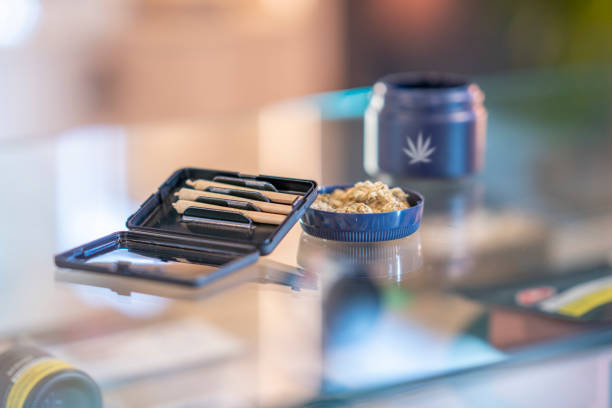
Legal Cannabis Product An assortment of cannabis product is laid out and displayed neatly on the counter of a legal retailer. Joints and cannabis bulbs can be seen laying in their packaging on the glass counter. Marijuana Dispensaries stock pictures, royalty-free photos & images

A Beginner’s Comprehensive Guide to Visiting a Dispensary for the First Time

For those new to the world of cannabis, visiting a dispensary for the first time can feel overwhelming. With an assortment of products, legal considerations, and procedures to navigate, preparation is key. This guide will provide clarity on what you need to know before stepping into a dispensary.

Preparation Before Your Visit

  • Check Local Laws: Cannabis laws vary by state or country. Familiarize yourself with local regulations regarding possession limits, purchase allowances, and age requirements.
  • Bring Identification: Most dispensaries require a valid government-issued ID proving you are of legal age (typically 21+). If you are visiting a medical dispensary, bring your medical marijuana card.
  • Set a Budget: Decide how much you’re willing to spend. Cannabis prices vary based on product type, potency, and quality.
  • Understand Payment Options: Many dispensaries operate as cash-only businesses due to federal banking restrictions. Some may have ATMs on-site or accept debit cards.

What To Expect When You Arrive

  1. Upon arrival, you’ll often be greeted at the entrance by security or reception staff who will verify your ID.
  2. If it’s your first visit, expect to fill out some paperwork or register in their system.
  3. Once inside the sales floor, you’ll find various cannabis products displayed behind glass cases or on shelves.
  4. Most dispensaries employ knowledgeable staff members called “budtenders” who can guide you through product selection based on your preferences and needs.
  5. Budtenders may ask whether you’re seeking specific effects such as relaxation or energy boosts.
  6. They can explain differences between product categories like flower (bud), edibles, tinctures, concentrates, and topicals.
  7. Expect strict adherence to purchase limits set by local laws. For example: | Product Type | Maximum Purchase Limit* | |——————–|————————–| | Flower (Dried Bud) | 1 oz (28 grams) | | Edibles | 10 mg THC per serving; up to 100 mg per package | | Concentrates | 8 g |
    *Limits vary depending on jurisdiction.

Tips for First-Time Shoppers

  • Ask Questions: Don’t hesitate to engage with budtenders if you’re unsure about something. They’re there to help.
  • Start Small: New consumers should begin with low-potency products until they become familiar with cannabis effects.
  • Be Patient: The effects of edibles can take up to two hours; avoid overconsumption by waiting for results before taking more.

After Your Purchase

  • Verify that all items are correctly listed on your receipt as per state requirements.
  • Store cannabis securely in its original packaging while transporting it home.
  • Consume responsibly in compliance with local regulations regarding public consumption and safe use.

Visiting a dispensary for the first time doesn’t need to be intimidating if you arrive informed and prepared. By understanding what to expect and asking questions when necessary, you’ll navigate this new experience confidently.

Are Marijuana Dispensaries Legal and How Do They Operate?

The legality and operation of marijuana dispensaries are complex topics that vary significantly based on location, local laws, and regulatory frameworks. In this section, we’ll explore the legal landscape surrounding dispensaries and how they function within these rules to serve customers responsibly.

The Legal Status of Marijuana Dispensaries

  • Federal vs. State Laws:
    In countries like the United States, marijuana remains illegal at the federal level but is legalized for medical or recreational use in several states. This creates a unique challenge for dispensary operators who must navigate conflicting regulations.
  • Medical vs. Recreational Use:
    Some jurisdictions allow only medical dispensaries, where patients require a valid prescription or medical marijuana card to purchase products. Others permit recreational use, allowing adults of legal age to buy cannabis without additional qualifications.
  • Local Regulations:
    Even in areas where state or national laws permit dispensaries, local governments often impose zoning restrictions, operational guidelines, or outright bans on cannabis businesses.

Key Operational Elements of Dispensaries

  1. Licensing Requirements:
    All dispensaries must acquire proper licenses from relevant authorities before opening their doors. These licenses often involve rigorous background checks, financial disclosures, and proof of compliance with security standards.
  2. Accurate tracking systems are essential to monitor inventory levels.
  3. Most jurisdictions require seed-to-sale tracking systems to ensure every cannabis product is accounted for from cultivation to sale.
  4. Employee Training:
    Employees must undergo training on topics such as:
  5. Local cannabis laws
  6. Product knowledge (e.g., strains, THC/CBD content)
  7. Proper customer service practices
  8. Security Measures:
    Due to the high value of cannabis products and cash transactions at dispensaries, robust security measures are necessary:
  9. Surveillance cameras
  10. On-site security personnel
  11. Restricted access areas for employees only
  12. Age Verification Procedures:
    Dispensaries enforce strict age restrictions by requiring government-issued identification before customers can enter or make purchases.

Benefits of Legalizing Dispensaries

Benefit Description
Consumer Protection Products sold at licensed dispensaries undergo testing for safety and quality assurance.
Tax Revenue Governments collect significant tax revenue from legal cannabis sales.
Crime Reduction Regulated markets reduce illegal drug trade activities in communities.
Access for Patients Medical patients gain safe access to products tailored for their health needs.

Challenges Facing Dispensary Operations

Despite their benefits, marijuana dispensaries face numerous challenges: – Ongoing stigma around cannabis use. – Limited banking options due to federal prohibitions in some countries. – High taxation rates that can discourage consumers from leaving black markets. – Constantly changing regulations requiring rapid adaptation by operators.

As legislation continues evolving globally, it’s essential for both consumers and business owners to stay informed about current laws governing cannabis sales in their region while advocating for clearer frameworks that promote responsible usage and commerce.


How Does a Park Slope Marijuana Dispensary Operate?

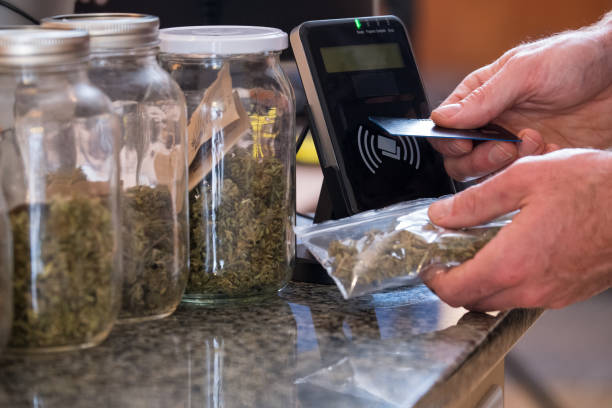
Purchasing legal marijuana at a dispensary Purchasing legal marijuana at a local dispensary using my card as a method of contactless payment. Marijuana Dispensaries stock pictures, royalty-free photos & images

A dispensary is a regulated establishment where individuals can purchase cannabis products legally. These establishments vary greatly depending on local laws and regulations, but they are all designed to provide consumers with safe access to cannabis. Whether you are purchasing cannabis for medical or recreational purposes, understanding how dispensaries operate can help you make informed decisions.

Key Features of a Dispensary

  • Licensing and Compliance
    Dispensaries must adhere to strict laws and regulations regarding the sale of cannabis products. They require specific licenses issued by state or regional authorities and undergo regular audits to ensure compliance with health, safety, and legal standards.
  • Age Restrictions
    Customers must be at least 21 years old for recreational purchases in most jurisdictions. For medical dispensaries, younger patients may access products if they have a valid medical marijuana card.
  • Trained Staff (Budtenders)
    Employees, often referred to as “budtenders,” play a vital role in guiding customers through product selection. They are knowledgeable about various strains, consumption methods, dosages, and potential effects.
  • Secure Environment
    Security measures like ID verification at entry points, surveillance systems, and secure storage for inventory are standard practices to ensure the safety of customers and staff.

Steps Involved in Visiting a Dispensary

  1. Check Local Laws
    Before visiting a dispensary, familiarize yourself with your area’s cannabis regulations. This includes understanding possession limits and identifying whether you need specific documentation (e.g., a medical card).
  2. Verify Identification
    Upon arrival at the dispensary, your ID will be checked to confirm your age or eligibility. Some locations may also require pre-registration or appointments.
  3. Consult with Budtenders
    Once inside, you’ll have the opportunity to speak with budtenders about your needs or preferences. Whether you’re seeking pain relief or looking for recreational use products, their guidance can help narrow your options.
  4. Product Selection
    Dispensaries offer a wide range of products such as flowers (dried cannabis), concentrates (e.g., waxes or oils), edibles (like gummies or chocolates), tinctures, topicals, pre-rolls, and more.
  5. Payment Options
    Many dispensaries operate on a cash-only basis due to banking restrictions stemming from federal laws in some countries like the U.S. However, you may find options like debit-based payment systems or ATMs on-site at certain locations.
  6. Exit Protocols
    Packaging requirements vary by jurisdiction but often include child-resistant containers that comply with local transportation laws for controlled substances.

Types of Products Sold at Dispensaries

Product Category Description Common Use Cases
Flower Dried cannabis buds Smoking or vaporizing
Edibles Infused food items like gummies Long-lasting effects; discreet use
Concentrates Extracts such as waxes or oils High potency; versatile applications
Tinctures Liquid extracts consumed sublingually Precise dosing; fast absorption
Topicals Creams/lotions applied externally Localized relief; non-intoxicating

Why Visit a Dispensary?

  • Access to lab-tested products ensures safety.
  • Professional guidance minimizes risks associated with improper usage.
  • Wide product variety caters to diverse preferences.

Understanding how dispensaries operate not only empowers consumers but also normalizes responsible cannabis use within society’s legal framework.

Exploring the Differences and Benefits of a Park Slope Weed Store

Understanding the distinctions between medical and recreational dispensaries is essential for consumers seeking the best experience tailored to their needs. While both types of establishments provide access to cannabis products, their purpose, regulations, and offerings differ significantly. Below is an in-depth exploration of how these dispensaries vary and the unique benefits they offer.

Key Differences Between Medical and Recreational Dispensaries

  1. Medical Dispensaries: Primarily cater to patients with qualifying medical conditions. These establishments focus on providing cannabis products specifically for therapeutic use.
  2. Recreational Dispensaries: Serve adults who wish to consume cannabis for personal enjoyment without needing a medical reason.
  3. Medical dispensaries often require a valid medical marijuana card issued by healthcare providers or state authorities.
  4. Recreational dispensaries are open to any adult over the legal age (typically 21 years), with no additional documentation required beyond government-issued identification.
  5. In medical dispensaries, products may be more potent or targeted toward specific conditions, such as chronic pain or anxiety relief. Many also stock CBD-dominant options that are non-intoxicating.
  6. Recreational dispensaries offer a broad range of products focusing on enjoyment, including edibles, concentrates, flowers, pre-rolls, and novelty items.
  7. Products sold in recreational dispensaries often come with higher taxes due to adult-use cannabis regulations.
  8. Medical patients may benefit from tax exemptions or reduced rates depending on local laws.

Benefits of Medical Dispensaries

  • Access to highly trained staff who understand therapeutic cannabis use.
  • Availability of specialized products like tinctures, capsules, or balms designed for consistent dosing.
  • Personalized recommendations tailored to specific medical conditions.
  • Reduced costs through lower taxes or patient discounts in many jurisdictions.

Benefits of Recreational Dispensaries

  • Wider accessibility without requiring medical certification.
  • Diverse product lines catering to varying preferences and experiences.
  • An inviting atmosphere designed for casual consumers seeking exploration rather than treatment-specific guidance.

Comparison Table: Medical vs Recreational Dispensary Features

Feature Medical Dispensary Recreational Dispensary
Eligibility Requirements Requires medical marijuana card Open to adults above legal age
Product Potency Often higher potency or condition-specific Varies widely; focuses on enjoyment
Tax Rates Lower (or exempt) Higher
Staff Training Focused on therapeutic guidance General knowledge about product types
Accessibility Restricted based on health needs Open-access

Considerations When Choosing Between the Two

When deciding which type of dispensary suits your needs: – If you have a chronic condition that could benefit from cannabis treatment, obtaining a medical marijuana card may grant you access to cost-effective options specific to your health concerns. – On the other hand, if your interest lies in exploring different strains or simply enjoying recreational use with fewer restrictions, recreational dispensaries provide a more straightforward option.

By understanding these differences and benefits, individuals can make informed decisions when navigating the growing world of legalized cannabis access points.

Exploring the Differences and Benefits of a Park Slope Cannabis Shop

The cannabis industry has grown significantly in recent years, offering a range of options for consumers. Two key categories of cannabis retail establishments are medical dispensaries and recreational dispensaries. While both provide access to cannabis products, they serve distinct purposes and cater to different audiences. Understanding their differences and the benefits they offer is essential for making informed decisions.

Key Differences Between Medical and Recreational Dispensaries

  1. Medical Dispensaries:
    • Serve patients with qualifying health conditions.
    • Require a valid medical marijuana card or doctor’s recommendation.
    • Focus on therapeutic uses of cannabis, often offering consultations with knowledgeable staff.
    • Open to adults meeting the legal age requirement (typically 21+).
    • Cater to individuals seeking cannabis for personal or recreational use.
    • Do not require medical documentation.
  2. Product Offerings
    While both types of dispensaries may carry similar product forms (e.g., flower, edibles, tinctures), there are some distinctions:
  3. Medical dispensaries often stock products tailored for specific conditions, such as high-CBD strains or low-THC options.
  4. Recreational dispensaries tend to focus on high-THC strains and products that cater to general consumer preferences.
  5. Pricing and Taxation
    Taxes and pricing structures differ between the two:
  6. Medical cannabis may be exempt from certain taxes or offered at reduced rates.
  7. Recreational users typically pay higher taxes on purchases due to state-imposed excise taxes.
  8. Accessibility
    Regulations regarding access also vary:
  9. Medical dispensary access is limited to approved patients with valid identification.
  10. Recreational dispensaries are generally more accessible, requiring only proof of age.

Benefits of Medical Dispensaries

  • Personalized Guidance: Staff in medical dispensaries are often trained to provide insights into how various products can address specific medical conditions like chronic pain, anxiety, or epilepsy.
  • Tailored Products: Patients can find specialized formulations designed for therapeutic use, including non-intoxicating CBD options.
  • Legal Protections: In some regions, medical patients have legal protections such as higher possession limits than recreational users.

Benefits of Recreational Dispensaries

  • Wider Accessibility: These establishments allow anyone over the legal age access without needing a medical recommendation or card.
  • Variety in Experiences: From potent THC-rich flowers to creative edibles, the focus on innovation leads to diverse product offerings.
  • Tourism Appeal: Many recreational dispensaries attract visitors looking for a safe way to explore cannabis culture.
Aspect Medical Dispensary Recreational Dispensary
Access Requirements Doctor’s recommendation required Legal ID proving age (21+)
Primary Purpose Therapeutic use Adult-use consumption
Taxation Reduced taxes or exempt Higher taxes
Product Focus High-CBD/low-THC options High-THC products

Choosing Between Medical and Recreational

Selecting between a medical or recreational dispensary largely depends on individual needs. If you’re managing health conditions that qualify under local laws, a medical dispensary may provide targeted relief through specialized products. On the other hand, if your aim is recreational enjoyment or exploring new strains without restrictions like doctor approval, then recreational outlets could better suit your needs.

Understanding these differences empowers consumers to navigate the growing cannabis market effectively while ensuring compliance with legal requirements in their region.

dry buds of marijuana in a glass jar close-up on a green background. dry buds of marijuana in a glass jar close-up on a green background. Marijuana Dispensaries stock pictures, royalty-free photos & images

Exploring the Future of Social Cannabis Use at a Park Slope Dispensary

Cannabis consumption lounges are emerging as a significant shift in the way people experience and enjoy cannabis. These lounges are designed to create a safe, social, and regulated environment for on-site consumption. As more regions legalize cannabis for recreational use, consumption lounges are becoming a focal point in discussions about public cannabis spaces.

What is a Cannabis Consumption Lounge?

A cannabis consumption lounge is a designated space where individuals can legally consume cannabis products in a social setting. Unlike dispensaries, which focus on selling products to be taken offsite, these lounges allow patrons to enjoy their purchases immediately within the premises. Inspired by the concept of bars or cafes that serve alcohol, they offer an atmosphere conducive to relaxation and community interaction.

Key features include:
On-site Consumption: Patrons can consume cannabis via smoking, vaping, edibles, or other methods allowed by local regulations.
Safe Environment: Lounges implement strict policies to ensure safety and responsible consumption.
Social Setting: These spaces encourage connection and interaction among like-minded individuals.

The Evolution of Social Cannabis Use

The concept of social cannabis use isn’t entirely new. Amsterdam’s famed “coffeeshops” have long represented a model where cannabis can be consumed publicly in specific venues. However, with legalization spreading globally, modern consumption lounges are now focused on creating elevated experiences that cater not just to seasoned users but also to newcomers seeking guidance in an approachable setting.

Benefits of Cannabis Consumption Lounges

  1. They provide an alternative for individuals who cannot or do not want to consume at home due to personal or legal restrictions (e.g., those living in rental units or shared housing).
  2. Visitors can avoid consuming illegally in public places where it may still be prohibited.
  3. Many lounges employ knowledgeable staff who educate patrons about product options, responsible use practices, and dosage recommendations.
  4. This reduces the risks associated with overconsumption or misuse of unfamiliar products like edibles or concentrates.
  5. By integrating cannabis use into social settings akin to bars or cafes, these venues help destigmatize its consumption while promoting responsible use.
  6. Cannabis lounges contribute to tourism by attracting visitors looking for unique cultural experiences.
  7. They also create jobs and generate additional tax revenue for municipalities.

Challenges and Considerations

Challenge Explanation
Licensing & Compliance Operators must navigate complex rules governing on-site consumption spaces.
Smoke-Free Laws Many areas have existing laws restricting indoor smoking or vaping activities.
Ventilation Requirements Proper systems must ensure air quality standards are met for patrons’ safety.
Social Responsibility Managing overconsumption risk while fostering an inclusive environment is critical.

The Future Outlook

As legislation evolves alongside changing societal attitudes toward cannabis use, the demand for well-regulated consumption lounges is expected to grow significantly in coming years. These venues offer opportunities not only for businesses but also for communities looking to integrate this emerging industry responsibly into their social fabric.

By prioritizing safety, education, and inclusivity within these spaces—cannabis consumption lounges may very well shape the future of how society approaches recreational marijuana use on both local and global scales.

Product Selection in Dispensaries: A Guide to Quality and Variety

When exploring a dispensary, the product selection can feel both exciting and overwhelming for consumers. Dispensaries often offer a curated range of cannabis products, designed to meet the diverse needs of customers, from first-time users to seasoned enthusiasts. Understanding product categories, quality markers, and variety can help make your selection process more informed and enjoyable.

Key Categories of Cannabis Products

  1. The most traditional form of cannabis consumption.
  2. Includes various strains categorized as indica, sativa, or hybrid based on their effects.
  3. Often sold by weight (eighths, quarters) with detailed THC and CBD content labeled.
  4. Potent extractions such as wax, shatter, or live resin.
  5. Ideal for experienced users seeking high THC levels or specific terpene profiles.
  6. Infused food and drink products like gummies, chocolates, teas, or baked goods.
  7. Precise dosing allows for controlled consumption experience but requires attention to onset time.
  8. Lotions, balms, or transdermal patches designed for localized relief without psychoactive effects.
  9. Conveniently rolled joints available in individual units or packs for easy use.
  10. Liquid cannabis extracts that can be ingested sublingually or added to food/beverages.
  11. Items such as vaporizers, grinders, rolling papers, or glassware designed to enhance the experience.

What Defines Quality in Cannabis Products?

  • Appearance: High-quality flower should have vibrant colors (green hues with orange/red hairs) and minimal stems or seeds.
  • Aroma: Fresh cannabis typically has a strong terpene profile—look for pleasant scents rather than musty or stale odors.
  • Lab Testing: Reputable dispensaries provide lab results showing cannabinoid content (THC/CBD levels) and verifying that the product is free from contaminants like pesticides or mold.
  • Packaging: Proper packaging ensures freshness while adhering to legal requirements (e.g., child-resistant containers).

Tips for Exploring Variety

  • Ask staff—often called “budtenders”—for recommendations tailored to your preferences (e.g., desired effects like relaxation vs energy).
  • Start low if you’re new—opt for lower THC concentrations initially before experimenting with stronger doses/products.
  • Explore terpenes; these compounds influence flavor/aroma but also contribute significantly toward overall experiences.
Product Type Best For Notes
Flower Smoking/Vaping Wide strain selection
Concentrates Potent effects Not recommended for beginners
Edibles Long-lasting relief Slow onset; dose carefully
Topicals Targeted pain relief No psychoactive properties

By understanding how dispensary inventory is organized and what factors define quality in cannabis products, consumers can navigate their options with confidence while tailoring purchases toward personal preferences and goals efficiently.


Comparing Online Cannabis Shops and a Park Slope Marijuana Dispensary: Pros and Cons

Checking Out Cannabis Bud Products A mature woman leans in over a counter and reaches for some cannabis buds that have been laid out by the associate in the product lid.  The woman is inspecting the product before purchasing from the legal retailer. Marijuana Dispensaries stock pictures, royalty-free photos & images

As the cannabis industry continues to evolve, consumers are faced with a choice between shopping at online cannabis stores or visiting physical dispensaries. Both options offer unique advantages and potential challenges, depending on personal preferences and priorities. Below is a detailed breakdown of the benefits and drawbacks of each option to help you make an informed decision.

Benefits of Online Cannabis Shops

  1. Accessible anytime from the comfort of your home.
  2. Ideal for individuals with busy schedules or limited mobility.
  3. No need to travel or wait in line at a store.
  4. Discreet packaging ensures personal purchases remain confidential.
  5. Shopping online eliminates concerns about being seen at a dispensary.
  6. Often larger inventories than brick-and-mortar stores due to fewer storage constraints.
  7. Access to niche or less common products that may not be available locally.
  8. Easier to compare prices across multiple platforms for better value deals.
  9. Promotions, discounts, and loyalty programs are often more prevalent online.
  10. Orders delivered directly to your doorstep, saving time and effort.

Drawbacks of Online Cannabis Shops

  • Shipping Delays: Orders may take days or even weeks to arrive depending on location and shipping services.
  • Lack of Immediate Assistance: Limited interaction with knowledgeable staff for advice on strains or dosages.
  • Legal Restrictions: Varying regulations by state/province can limit online purchase options.
  • Risk of Fraudulent Websites: Potential scams require consumers to research the legitimacy of a platform before purchasing.

Benefits of Physical Dispensaries

  1. Expert staff (commonly known as budtenders) provide tailored recommendations based on individual needs.
  2. Products can be purchased and used immediately without waiting for delivery timelines.
  3. Opportunity to see, smell, or inspect products before purchasing for greater confidence in quality.
  4. Physical locations foster connections with other consumers or serve as hubs for local cannabis culture education.

Drawbacks of Physical Dispensaries

  • Limited Operating Hours: Restricted hours may not align with all customer schedules.
  • Smaller Selection Options: Inventory often limited by shelf space compared to online retailers.
  • Travel Cost & Effort: Visiting brick-and-mortar shops can involve transportation costs or extended travel time—especially in rural areas without nearby options.
  • Stigma Concerns:Some individuals may feel uncomfortable visiting physical stores due to societal judgment associated with cannabis use.
Feature Online Cannabis Shop Physical Dispensary
Accessibility 24/7 access from home Limited hours; must visit location
Selection Variety Wide inventory Restricted by physical storage space
Privacy High (discreet ordering/delivery) Low (public setting)
Assistance Limited customer support In-person expert guidance
Delivery Time Delayed shipping Immediate product availability

Making the Right Choice

Both online cannabis shops and physical dispensaries have their place in the modern market landscape, serving different customer needs effectively. Online shopping is ideal for convenience-seekers who value variety, discretion, and competitive pricing, while physical dispensaries cater better to those prioritizing expert advice and an in-person shopping experience.

Understanding your own needs—whether it’s prioritizing convenience over immediacy or seeking professional guidance—can help you determine which option best aligns with your lifestyle preferences when purchasing cannabis products responsibly.

What to Look for When Choosing a Park Slope Dispensary for Quality Products

When it comes to shopping for cannabis online, the sheer number of options can be overwhelming. Choosing the right online cannabis shop is crucial to ensure not only the quality of the products but also a safe and satisfactory shopping experience. Below are key factors to consider when evaluating an online cannabis retailer for quality products.

Discover Product Quality and Transparency at Park Slope Weed Store

High-quality cannabis products are essential for both medicinal and recreational consumers.

  • Third-Party Lab Testing: Reputable dispensaries provide certificates of analysis (COAs) from third-party labs.
  • Ingredient Listings: Ensure that full ingredient information is available, especially for edibles or topicals.
  • Detailed Descriptions: Reliable shops offer detailed product descriptions that include strain information (e. g. , indica, sativa, hybrid), THC/CBD potency levels, and recommended uses.

Reputation and Reviews of Park Slope Cannabis Shop

The credibility of an online dispensary speaks volumes about its reliability.

  • Customer Reviews and Ratings: Check reviews on third-party platforms like Trustpilot or Weedmaps rather than just testimonials from the shop’s website.
  • Longevity in Business: Shops that have been operating for several years tend to have more established quality protocols compared to newer entrants.
  • Recommendations from Experts: Look out for endorsements from industry professionals or inclusion in reputable top-dispensary lists.

Variety of Products

A good online cannabis shop will cater to different preferences by offering a wide selection.

Product Type Examples Ideal For
Flower Indica strains, Sativa strains Traditional smokers
Concentrates Wax, shatter, live resin Experienced users seeking potency
Edibles Gummies, chocolates Discreet consumption
Topicals Creams, balms Targeted pain relief
Vape Products THC cartridges, CBD vape pens Convenient portability

Having access to this range ensures you find something tailored precisely to your needs.

Compliance with Local Laws

Cannabis regulations vary significantly depending on jurisdiction. To avoid legal complications, make sure the shop adheres to local laws regarding shipping and sales.

  • Requests for age verification during purchase.
  • Clear disclaimers about shipping restrictions based on your location.
  • Correct labeling of THC/CBD content as per regulatory standards.

Secure Payment Options

Trustworthy sites prioritize customer safety by offering secure payment methods such as encrypted credit card transactions or cryptocurrency options where permissible.

Customer Support

Responsive customer service can make a significant difference in your shopping experience.

  • Live chat support during business hours.
  • Detailed FAQs addressing common concerns like shipping times and return policies.
  • Prompt email responses within 24–48 hours.

Red Flags To Avoid

  1. Lack of lab testing information or product transparency.
  2. Unrealistically low prices—this could indicate substandard or counterfeit products.
  3. A poorly designed website with broken links, spelling errors, or missing company information.

By considering these factors carefully before making a purchase decision, you can ensure both safety and satisfaction while shopping at an online cannabis store tailored to delivering high-quality products consistently.

Types of Cannabis Products Available at Online Dispensaries for Every Preference

Online cannabis dispensaries have revolutionized the way people access cannabis, offering a wider variety of products than most physical stores. From those who prefer traditional options to others seeking innovative formats, online dispensaries cater to every type of consumer.

1.Flower (Bud)

The classic form of cannabis flower remains a popular choice for consumers who enjoy smoking or vaporizing.
– Strain types: Indica, Sativa, and Hybrid
– THC and CBD levels for potency preferences
– Flavor profiles and terpene content (e. g.
– Package sizes ranging from grams to ounces

Strain Type Typical Effects Best For
Indica Relaxation & Sleep Aid Evening use or stress relief
Sativa Energy & Creativity Boost Daytime use or productivity
Hybrid Balanced Effects Versatile use cases

2.Edibles

For those who prefer not to smoke or inhale vapor, edibles offer a discreet and long-lasting option.
– Gummies: Available in different flavors and potencies for casual or experienced users.
– Chocolates: A sweet option often infused with THC or CBD oil.
– Beverages: Cannabis-infused teas, sodas, and coffee for an alternative consumption experience.

When purchasing edibles online, it’s essential to check dosage per serving to ensure safe consumption.

3.Concentrates

Concentrates are highly potent cannabis extracts designed for seasoned users seeking stronger effects.
– Wax & Shatter: Popular among dabbers for their purity and strength.
– Oils & Tinctures: Versatile forms that can be used sublingually or added to food/drinks.
– Hash & Rosin: Solventless concentrates preferred by those seeking natural extraction methods.

Many online dispensaries provide lab testing results with concentrates to confirm purity.

4.Vape Products

Vaping continues to gain popularity due to its convenience and reduced odor compared to smoking flower.
– Vape Cartridges: Pre-filled with distillate oils rich in THC or CBD. – Disposable Vapes: Single-use devices perfect for on-the-go consumption. – Refillable Pens & Accessories.

5.Topicals

For consumers looking for localized relief without psychoactive effects, topicals are an excellent choice: – Lotions & Creams: Ideal for muscle aches and joint pain. – Balms & Salves: Often infused with essential oils for added therapeutic benefits. – Bath Products (Bath Bombs/Soaks): Combining relaxation with skin nourishment.

6.CBD-Specific Products

CBD-focused products are widely available through online dispensaries catering to non-intoxicating wellness needs: – Capsules or Pills – Tinctures – Hemp-derived edibles like gummies.

Online cannabis dispensaries strive to meet diverse consumer needs by offering detailed product descriptions alongside customer reviews—helping buyers make informed decisions while exploring an extensive selection from the comfort of home.

Patient holding jar of marijuana in hands. Doctor putting stamp on document Patient holding jar of marijuana in hands. Doctor putting stamp on document. Legal purchase of narcotic drugs concept Marijuana Dispensaries stock pictures, royalty-free photos & images

Tips for Ensuring a Safe and Secure Online Cannabis Shopping Experience

As the popularity of online cannabis shopping continues to grow, consumers must prioritize safety and security to ensure a positive experience. Here are some key tips to help safeguard your transactions and protect your personal information while shopping for cannabis products online.

Verify the Legitimacy of the Online Dispensary

Before making a purchase, confirm that the online dispensary is legitimate and operates within legal boundaries.
Licensing Information: Ensure the dispensary displays proof of state or regional licensing on its website.
Customer Reviews: Check reviews on reputable platforms such as Google or Trustpilot to gauge customer satisfaction.
Contact Details: A reliable dispensary will provide a clear way to contact customer support via phone, email, or live chat in case of issues.

Prioritize Secure Payment Options

A secure payment gateway protects sensitive financial details during transactions.
– Avoid entering payment information on sites without HTTPS encryption (look for the padlock symbol in the browser).
– Opt for secure payment methods such as credit cards or specialized third-party services like PayPal over wire transfers or prepaid debit cards.

Payment Method Security Level Recommendation Rate
Credit/Debit Cards High Strongly Recommended
Third-Party Services High Strongly Recommended
Prepaid Debit Cards Low Not Recommended
Wire Transfers Low Not Recommended

Research Product Quality Standards

The quality of cannabis products is a crucial factor when buying online.
– Provide lab testing resultsfrom third-party labs, including information on THC/CBD levels and potential contaminants such as pesticides or mold.
– Offer detailed product descriptions with clear dosage recommendations and strain details (indica, sativa, hybrid).

Protect Your Personal Information

Online privacy should be a top priority when shopping for cannabis products.
1.Use Strong Passwords: Create unique passwords for your account on any online dispensary platform. 2.Avoid Public Wi-Fi: Refrain from making purchases over unsecured public networks vulnerable to data theft. 3.Read Privacy Policies: Understand how your personal data will be used and stored by reviewing the site’s privacy terms before proceeding with any transaction.

Stay Informed About Local Laws

Cannabis laws vary widely by jurisdiction, which can impact what you’re allowed to purchase—and how much—online.
– Confirm what types of products (e. g. , edibles, concentrates) are legal in your state or region. – Be aware of quantity limits imposed by local regulations.

By following these precautions, you can enjoy a seamless online cannabis shopping experience while minimizing risks to both your privacy and financial security.

Why Consumers Are Turning to Online Cannabis Stores for Convenience and Savings

The rapid growth of the cannabis industry has brought about significant changes in how consumers purchase their products. With the rise of online cannabis stores, many buyers are opting for digital platforms over visiting physical dispensaries. The combination of convenience, cost-effectiveness, and the variety offered by online stores has made them a preferred choice for many.

Key Reasons People Prefer Online Cannabis Stores

  1. Ease of Access: Shopping from home eliminates the need to travel to a dispensary, saving time and effort. For those living in remote areas or regions with limited physical dispensaries, online options provide vital access.
  2. 24/7 Availability: Unlike brick-and-mortar stores with fixed hours, online cannabis shops operate around the clock, allowing consumers to shop anytime that fits their schedule.
  3. Many online dispensaries stock an extensive range of products compared to physical stores due to storage limitations at retail locations. Whether you’re looking for flowers, edibles, tinctures, or concentrates, you’re more likely to find what you need online.
  4. Online platforms often make it easier to compare products side-by-side and read comprehensive descriptions about strains and effects before making a decision.
  5. Competitive Pricing: Many online sellers offer lower prices due to reduced overhead costs compared to physical dispensaries (e. g. , no expenses on storefront maintenance).
  6. Promotions and Discounts: Online cannabis shops frequently run sales events or offer discounts for first-time buyers and loyal customers.
  7. Subscription Perks: Some platforms provide subscription services that deliver regular discounts or bundle deals directly to customers.
Benefit Physical Dispensary Online Cannabis Store
Accessibility Limited by location Available anywhere with internet
Operating Hours Fixed 24/7
Pricing May include higher costs Often more competitive
Product Selection Limited by shelf space Extensive inventory

The Role of Technology in Enhancing Consumer Experience

Online cannabis stores leverage technology to streamline the shopping process:
Detailed Reviews and Ratings: Customers can read reviews from other buyers before purchasing a product.Search Filters: Advanced filtering options allow shoppers to narrow down choices based on potency levels, flavors, or intended effects.Educational Resources: Many websites host blogs or FAQs aimed at educating consumers on selecting products that align with their needs.

Privacy Matters

For some individuals, discretion is a key factor when purchasing cannabis products. Ordering through an online dispensary provides privacy benefits such as unmarked packaging and secure payment processing methods. This appeals especially to those who may not feel comfortable visiting a physical store.

Final Thoughts

The shift toward online cannabis shopping is driven by its ability to meet consumer demands for convenience, affordability, variety, and privacy. As technology continues transforming industries worldwide—including the cannabis market—it’s clear why so many are gravitating toward these digital platforms for their purchases.

How the Early Days of Cannabis Sales Shaped Today’s Modern Dispensaries

The evolution of cannabis sales has been a fascinating journey, shaped by significant cultural, legal, and economic shifts. Understanding the early days of cannabis trade helps provide insight into how modern dispensaries have emerged as both retail and community hubs. Below is an exploration of the key milestones and how they’ve influenced today’s dispensary landscape.

The Prohibition Era: Underground Beginnings

In the early 20th century, cannabis was increasingly stigmatized due to shifting societal attitudes and regulatory changes. The prohibition of cannabis under laws like the Marihuana Tax Act of 1937 forced those interested in its use or sale to adopt underground methods.

  • Illicit Markets:Cannabis was sold in informal settings like private homes or on street corners.
  • Limited Access:Information about cannabis strains or products was largely unavailable, leaving consumers with little knowledge about quality or effects.
  • Stigmatization:Users faced significant social judgment and legal repercussions.

These challenges created a strong demand for legalization efforts that would later shape more transparent systems.

Cannabis Counterculture: The Rise of Advocacy

During the mid-to-late 20th century, grassroots movements advocating for decriminalization gained traction. These efforts were fueled by cultural shifts in the 1960s and 1970s when cannabis became more commonly associated with youth counterculture.

  • Medical Research Gains Attention:Studies began highlighting potential therapeutic benefits, paving the way for medical marijuana advocacy.
  • Cultural Acceptance:Cannabis use became more prevalent among diverse groups beyond subcultures.
  • Advocacy Organizations:Groups like NORML (National Organization for the Reform of Marijuana Laws) formed to push reform policies.

This period laid the groundwork for today’s dispensary model by reframing cannabis use as both a medical option and personal choice rather than solely a recreational activity.

Legalization Movements: Pioneering Retail Models

As states like California began legalizing medical marijuana in the late 1990s (e. g. , Proposition 215), the first licensed dispensaries emerged. These establishments redefined how cannabis was sold by introducing standards that focused on customer safety and regulated operations.

  • Product Labeling:Clear information on THC/CBD content became standard practice.
  • Education-Oriented Staff:Budtenders (cannabis sales associates) were trained to help customers understand strain differences and product usage.
  • Patient-Centered Policies:Medical cards were often required for purchases, creating personalized experiences tailored around health needs.

Although rudimentary compared to today’s highly polished retail spaces, these initial efforts were instrumental in legitimizing cannabis sales.

Modern Dispensaries: Merging Retail Innovation with Tradition

Modern dispensaries owe much to their predecessors while adopting innovations from other industries such as e-commerce and hospitality.

Feature Early Dispensary Era Modern Dispensaries
Product Range Limited strains/products Wide range including edibles, tinctures, concentrates
Consumer Education Informal or word-of-mouth Data-driven recommendations via advanced POS systems
Purchasing Channels In-person only Options include online pre-orders, delivery services
Store Atmosphere Basic setups Premium designs mimicking boutique retail stores

By blending these advancements with lessons from early advocacy movements, modern dispensaries are creating spaces where customers feel informed and empowered.

Lessons Learned from History

  1. Transparency is Key:Ensuring products are clearly labeled builds consumer trust.
  2. Advocacy Drives Progress:Grassroots movements remain vital in addressing remaining stigmas or restrictive policies around cannabis usage.
  3. Innovation Meets Accessibility:Combining advanced technology with user-friendly services enhances overall customer satisfaction.

The legacy of those who navigated challenges during earlier periods is evident in every aspect of contemporary dispensary models—offering both convenience and credibility while preserving a connection to cannabis culture’s roots.